

Introduction
Choosing the right laundry detergent can be one of the biggest choices you make when washing clothes. Every kind of fabric has different properties. Cotton is not like wool. Silk requires more delicate care than canvas. Fabric blends react differently to ingredients than cotton. Knowing what detergents are best suited for your fabrics can help avoid damage to your clothes and keep them clean longer while providing you with a result that you will love.
In this guide we will discuss what laundry detergent to use on different types of fabrics. We will go over what fabrics we are talking about and what kind of cleaning formulas work best with them. Whether you’re running your own home or your own dry cleaning business, knowing what detergents to use on certain fabrics can make a huge difference.
Understanding Fabric Composition and Detergent Chemistry
Materials science Why Clothes Feel Different Washing is a chemical process. Each type of fiber reacts differently to chemicals. Natural fibers such as cotton, wool, silk and linen each require a special treatment. Synthetic fibers such as polyester, acrylic and nylon react differently to cleaning chemicals. Blends require special treatment that works for both fibers.
Chemistry Detergents contain chemicals called surfactants. These are what allow water to mix with dirt and oil so they can be removed. There are different kinds of surfactants. Each interacts with fabrics differently. For example anionic surfactants found in many laundry detergents are great at lifting dirt. But they can be damaging to some fabrics. Nonionic surfactants are typically more gentle. And cationic surfactants tend to provide more conditioning, but less cleaning.
Some surfactant knowledge can help you choose the right detergent. Professional laundryners should understand how surfactants work, what kind of detergents are out there. As well as which detergent ingredients work best on different fabrics. LaundroMentor teaches independent operators about these aspects of chemistry so you can be sure you are choosing the right detergent for your business.
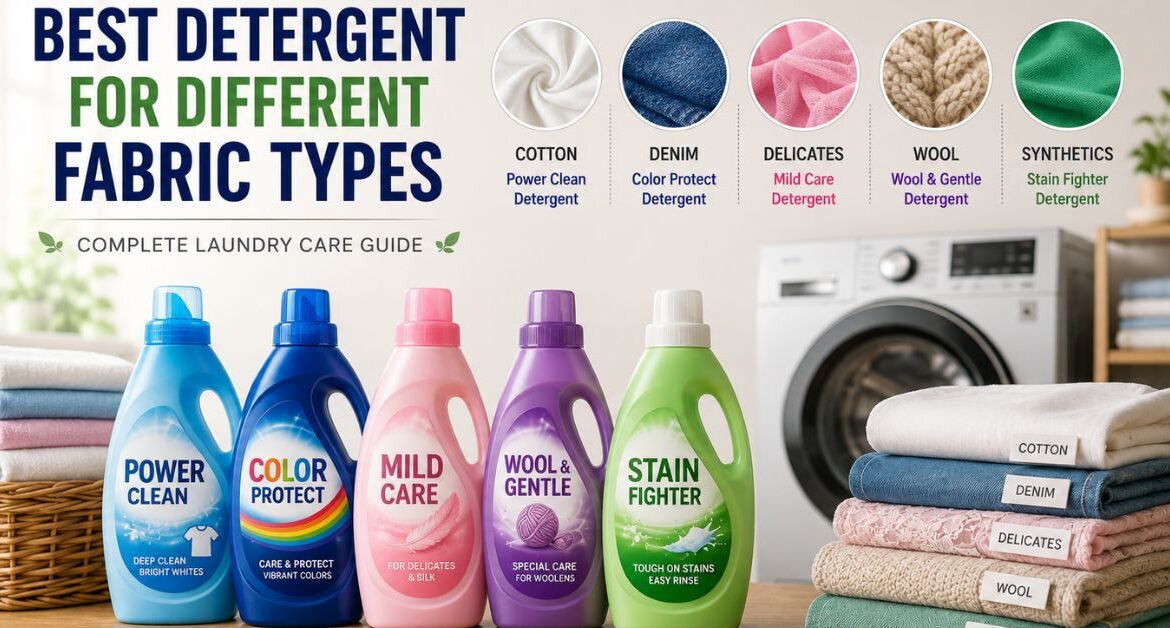
Cotton Fabrics: Choosing Robust Detergents
Cotton represents the most common and forgiving fabric type. The strong cellulose fiber structure tolerates aggressive cleaning without significant damage. Cotton garments benefit from thorough cleaning removing accumulated soil, perspiration, and environmental contaminants.
Recommended Detergent Characteristics for Cotton:
Cotton fabric requires detergents with strong cleaning power, high surfactant concentrations, and robust soil removal capabilities. Standard laundry detergents designed for everyday clothing work well for cotton. These formulations emphasize cleaning performance over gentleness, appropriate for durable fibers.
Recommended Detergent Types:
- Heavy-duty laundry detergents with strong surfactant concentrations
- Powder detergents providing excellent soil removal
- Liquid detergents offering convenience and quick dissolution
- Enzyme-containing formulations targeting organic soils effectively
- Oxygen-based bleach alternatives for stain removal
- Standard commercial detergents formulated for machine washing
Cotton tolerates water temperatures from cold to hot without damage. Warm or hot water enhances detergent effectiveness, improving soil and stain removal. Machine washing with appropriate detergent quantities delivers satisfactory results for most cotton items.
Detergent application considerations for cotton include using recommended dosages based on soil levels and water hardness. Lightly soiled items require minimal detergent, while heavily soiled work clothes benefit from increased quantities. Professional operators should calibrate detergent usage ensuring cost-effectiveness while maintaining cleaning quality.
Delicate Fabrics: Selecting Gentle Formulations
Delicate fabrics including silk, satin, lace, and fine knits require specialized care. These fibers possess delicate structures vulnerable to aggressive chemicals and mechanical action. Harsh detergents damage fiber integrity, causing shrinkage, discoloration, and texture deterioration.
Detergent Selection Criteria for Delicate Fabrics:
Gentle detergents formulated specifically for delicate fabrics provide necessary cleaning while minimizing damage. These specialized formulations emphasize fiber protection over aggressive soil removal, appropriate for items where appearance preservation matters more than extreme cleanliness.
Recommended Delicate Fabric Detergents:
- Specialized delicate or silk detergents with reduced surfactant concentrations
- Wool-safe detergents (applicable to many delicate fabrics)
- Hand-wash detergents offering extra-gentle formulations
- PH-neutral detergents preventing fiber damage from alkaline compounds
- Enzyme-free formulations avoiding aggressive stain removal chemicals
- Formulations containing conditioning agents protecting delicate fibers
Temperature is important when laundering fragile materials. Wash fragile materials in cold water to avoid stressing the fibers and bleeding colors. Hotter water can cause garments to shrink or damage fibers. Use the lowest temperature necessary for effective cleaning. When washing fragile materials, commercial laundries should use gentle cycles, less agitation and correct draining cycles. Fragile garments can be hand washed or go through the gentle cycle of a machine washer. Use a detergent that is designed for delicates.
Wool Fabrics: Specialized Formulations for Protein Fibers
Wool presents unique cleaning challenges. Unlike cellulose-based cotton, wool is a protein fiber with a delicate scale structure. Aggressive cleaning can cause felting, where fiber scales lock together permanently damaging garments. Wool requires specialized detergents formulated specifically for protein fibers.
Wool-Specific Detergent Requirements:
Wool detergents contain mild surfactants and conditioning agents that clean without damaging delicate fiber structures. These formulations include scale-sealing compounds that prevent fiber interlocking during washing.
Recommended Wool Detergents:
- Specialized wool and delicate care formulations
- Lanolin-containing detergents replacing natural wool oils
- pH-neutral formulations preventing scale swelling
- Detergents designed for protein fiber protection
- Formulations with conditioning agents providing slip
- Products specifically labeled safe for wool
Wool requires cold water washing exclusively. Warm water causes scale swelling and fiber stress leading to felting. Gentle agitation or hand-washing prevents physical damage to delicate structures. Professional operators should implement specific wool-washing protocols using appropriate equipment and techniques.
Detergent quantity matters significantly for wool. Using excessive detergent requires extensive rinsing, increasing wash time and water usage. Appropriate quantities, determined by soil levels and water hardness, optimize results and efficiency.
Synthetic Fiber Care: Balancing Cleaning and Fiber Protection
Synthetic fibers including polyester, nylon, acrylic, and blends offer durability rivaling or exceeding natural fibers. However, synthetic fibers require different cleaning approaches than natural materials. These petroleum-based fibers don’t absorb water like cellulose but rather absorb oils and hydrophobic soils.
Detergent Considerations for Synthetic Fabrics:
Synthetic fibers tolerate standard laundry detergents well. Most commercial formulations effectively clean synthetics without causing damage. However, synthetic fibers tend to hold onto oily soils more readily than natural fibers, sometimes requiring extra treatment for optimal results.
Recommended Synthetic Fiber Detergents:
- Standard all-purpose laundry detergents effective on synthetics
- Surfactant-rich formulations targeting oil-based soils
- Detergents containing lipophilic (oil-attracting) compounds
- Formulations designed for synthetic blends
- Products effective in various water temperatures
- Detergents addressing static electricity from synthetic materials
Synthetic fibers tolerate warm and hot water washing effectively. Heat enhances detergent performance on synthetic fabrics, improving oil removal. However, extremely high temperatures may damage some synthetic items—check garment labels for temperature specifications.
Static electricity represents a common concern with synthetic fabrics. Some detergents include anti-static agents reducing this issue. Fabric softeners or specialized rinse aids complement synthetic fiber cleaning, reducing static and improving feel.
Fabric Blends: Navigating Mixed Fiber Content
Many modern garments combine natural and synthetic fibers. Cotton-polyester blends, wool-acrylic combinations, and silk-synthetic mixes create fabrics with characteristics of both components. Cleaning blended fabrics requires balancing the requirements of both fiber types.
Detergent Strategy for Fabric Blends:
Blended fabric detergent selection should emphasize gentle cleaning protecting the most delicate component while providing adequate soil removal. Understanding which fiber dominates the blend helps determine appropriate formulation selection.
Recommended Approach for Blended Fabrics:
- Assess which fiber component requires most protection
- Select detergents gentle enough for the delicate component
- Ensure adequate cleaning power for robust components
- Consider water temperature tolerating both fibers
- Test unknown blends before full-scale processing
- Maintain appropriate washing protocols for most delicate component
Professional operators should maintain multiple detergent options allowing customized protocols for different blends. Understanding fiber percentages and characteristics of common blends enables appropriate decision-making.
Specialized Fabric Types Requiring Unique Detergent Approaches
Certain specialized fabrics demand particular detergent formulations and washing protocols. Understanding these requirements prevents damage and ensures satisfactory results.
Leather and Suede Fabrics:
These materials require specialized care. Harsh detergents damage leather and suede, causing stiffening and discoloration. Professional leather cleaning relies on specialized formulations or professional dry cleaning rather than aqueous detergent washing.
Recommended Approach:
- Avoid aqueous detergent washing for leather items
- Use specialized leather-specific formulations if water cleaning necessary
- Consider professional dry cleaning for valuable leather
- Maintain leather conditioning after cleaning
- Protect leather from excessive water exposure
Linen Fabrics:
Linen tolerates standard laundry detergents similarly to cotton. However, linen requires adequate water and detergent for thorough cleaning. Linen is less absorbent than cotton, requiring slightly different washing parameters.
Recommended Approach:
- Use standard detergents effective on linen
- Ensure adequate water for proper rinsing
- Moderate temperature tolerance (warm preferred over hot)
- Gentle handling preventing linen breaking
- Appropriate detergent quantities based on soil levels
Performance and Technical Fabrics:
Modern athletic and technical fabrics designed for moisture management, temperature regulation, and specialized functions require specific care. Using incorrect detergents can damage performance characteristics.
Recommended Approach:
- Use detergents formulated for technical fabrics
- Avoid fabric softeners coating and damaging functionality
- Follow specific garment care instructions precisely
- Consider specialized technical fabric detergents
- Maintain performance characteristics through appropriate washing
Detergent Selection Factors for Professional Laundry Operations
Professional laundry operators must consider multiple factors beyond fabric type when selecting detergents. Operational efficiency, cost management, equipment compatibility, and environmental responsibility influence detergent procurement decisions.
Critical Selection Factors for Professional Operators:
1 . Water Quality and Hardnes
- Detergent performance varies with water hardness
- Hard water requires higher detergent concentrations
- Water softening systems improve efficiency
- Different detergents perform differently in various water conditions
- Testing detergents in your specific water optimizes result
2. Equipment Compatibility
- Detergents must suit your washing equipment
- Foaming characteristics affect equipment function
- Viscosity influences automated dispensing systems
- Residue levels impact equipment maintenance
- Professional equipment often requires specific formulations
3. Cost-Effectiveness
- Concentration levels affect usage quantities
- Price-per-wash calculations determine actual costs
- Bulk purchasing enables volume discounts
- Storage space limitations may affect purchasing decisions
- Return on investment through customer satisfaction
- Environmental Responsibility
4. Environmental Responsibility
- Biodegradability and environmental impact matter increasingly
- Water usage optimization affects operational costs
- Chemical disposal requirements must be understood
- Sustainable formulations appeal to conscious consumers
- Regulatory compliance regarding chemical discharge necessary
5. Customer Preferences
- Fragrance options must align with customer expectations
- Allergy and sensitivity considerations require alternative products
- Cultural preferences influence customer satisfaction
- Premium positioning may justify specialty detergents
- Transparent communication about detergent choices builds trust
How LaundryMentor Guides Detergent Selection and Chemical Management
LaundroMentor provides independent laundry operators with comprehensive guidance in detergent selection, chemical knowledge, and fabric-specific care protocols. Rather than imposing specific brands or formulations, the platform educates operators about decision-making criteria enabling informed choices.
Educational Support Areas:
LaundroMentor assists operators in understanding chemical composition, fabric properties, detergent compatibility, and application protocols. The platform helps small operators access knowledge and systems typically available only to large chain laundries.
Knowledge Development Through LaundroMentor:
- Chemical education about surfactants, pH, and detergent formulation
- Fabric science covering fiber properties and care requirements
- Detergent compatibility with equipment and water conditions
- Cost-benefit analysis enabling wise procurement decisions
- Quality control procedures ensuring consistent results
- Customer communication strategies addressing care preferences
Supply Chain Optimization:
- Identifying reliable detergent suppliers and distributors
- Negotiating favorable pricing and payment terms
- Bulk purchasing strategies for cost efficiency
- Inventory management preventing waste or shortages
- Quality assurance procedures verifying product consistency
Operational Integration:
- Determining appropriate detergent selection for different scenarios
- Establishing protocols for fabric-specific care
- Training staff in proper detergent usage
- Implementing quality control procedures
- Monitoring customer satisfaction with cleaning results
Practical Detergent Application Protocols
Proper detergent application significantly impacts effectiveness and efficiency. Understanding dosage determination, temperature selection, and timing protocols optimizes results.
Detergent Dosage Determination:
Appropriate quantities depend on multiple factors including soil levels, water hardness, load size, and detergent concentration. Over-dosing wastes product and leaves residue. Under-dosing provides inadequate cleaning.
Dosage Calculation Factors:
- Manufacturer recommendations provide starting points
- Water hardness requires dosage adjustments (harder water needs more)
- Soil levels determine quantity (heavily soiled items require more)
- Load size affects detergent requirements
- Detergent concentration significantly impacts quantities needed
- Professional equipment may require specific concentrations
Water Temperature Selection:
Temperature profoundly affects detergent performance. Warmer water enhances chemical action, improving cleaning effectiveness. However, temperature must be appropriate for specific fabrics.
Temperature Guidelines by Fabric Type:
- Cotton: Cold to hot (hot enhances cleaning)
- Wool: Cold only (heat causes damage)
- Silk: Cold only (heat damages delicate fibers)
- Synthetics: Cold to warm (hot acceptable for most)
- Delicates: Cold to cool (minimize stress)
- Linen: Cool to warm (warm preferred)
Timing and Cycle Selection:
Detergent application timing and washing cycle duration affect results. Allowing detergent adequate contact time with soils improves cleaning. However, excessive agitation damages delicate fabrics.
Timing Considerations:
- Pre-soaking allows detergent penetration into resistant soils
- Main wash cycle duration depends on soil levels and fabric type
- Rinse cycles must be adequate removing all detergent residue
- Spin cycles remove water for proper drying
- Cycle selection should match fabric type and soil levels
Conclusion
Choosing the right detergent can mean the difference between clean clothes, clothes ruined in the wash, and happy customers who receive clothing that lasts a long time. Here’s a simple guide to choosing the right detergent for the type of fabric you’re washing.
Heavily soiled cotton clothes can stand up to a heavy-duty detergent. When in doubt, reach for a detergent that promises to get your clothes super clean. Some fabrics and garments require a gentler touch. A mild detergent is best to keep these clothes intact. Wool requires a protein-based fabric, so treat it like you would hair. Oil based stains are typical on synthetic fabrics, so look for a detergent that promises to cut through oil. When in doubt, and especially with mixed fabric clothes, find a detergent that has both qualities.
It’s a good idea to have heavy, medium, and light duty detergents on hand if you’re washing clothes for a living. Every chemical behaves differently on different fabrics and at different temperatures. Learn about chemistry, fabrics, and operational expertise to choose the right detergent for your business. Check out LaundroMentor for tips to help you gain that expertise and run your own professional laundry. Whether you have a home or commercial laundry, knowing which detergent to use (and how to use it) will help you deliver a professional quality wash.
Frequently Asked Questions About Detergent Selection
Can I Use the Same Detergent for All Fabric Types?
Using one detergent for everything is possible but not optimal. All-purpose detergents provide adequate results for most fabrics but may not be ideal for specialized types. Delicate fabrics benefit from gentle formulations. Heavy-duty items benefit from stronger formulations. Professional operations typically maintain multiple options optimizing results for different fabric categories.
How Do I Know If I'm Using Too Much Detergent?
Excessive sudsing during washing indicates excess detergent. Residue visible on dried clothing, stiffness, dullness, or odor issues suggest over-dosing. Reduced water quality and equipment strain result from excessive detergent. Monitoring these indicators and adjusting quantities downward if observed optimizes efficiency.
Does Water Temperature Really Matter That Much?
Yes, temperature significantly affects detergent performance and fabric safety. Warm water enhances surfactant action, improving cleaning. However, hot water can damage delicate fabrics and may cause color bleeding. Cold water reduces cleaning effectiveness but protects delicate fabrics. Matching water temperature to fabric type and soil levels optimizes both results and fabric protection.
Are Natural or Eco-Friendly Detergents Effective for Professional Laundry?
Natural and eco-friendly detergents can be effective for professional laundry though formulations vary in performance. Many offer adequate cleaning while providing environmental and health benefits. However, some may require adjusted protocols or dosages compared to conventional formulations. Testing eco-friendly options in your specific conditions determines compatibility.


