

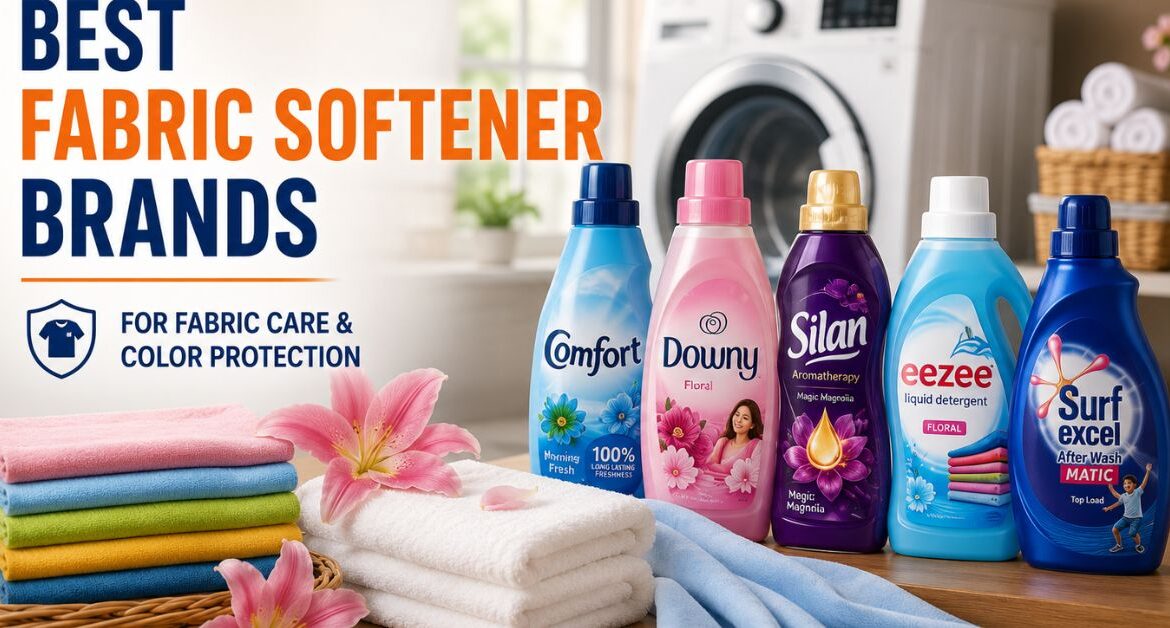
INTRODUCTION
Fabric softeners represent an essential component of comprehensive laundry care, enhancing garment texture, reducing static electricity, extending clothing lifespan, and preserving color vibrancy. Understanding which fabric softener brands deliver superior results requires examining their formulations, ingredient quality, color protection capabilities, and performance across different fabric types.
This comprehensive guide explores ten of the best fabric softener brands available in India and internationally, analyzing their unique benefits, fabric compatibility, price-to-quality ratios, and effectiveness in color preservation. Whether operating a professional laundry business or managing household laundry needs, selecting appropriate fabric softeners impacts garment longevity and customer satisfaction significantly.
For entrepreneurs and laundry business owners seeking to optimize their operations and provide superior garment care, understanding fabric softener selection represents a crucial operational decision. LaundroMentor, a comprehensive guidance platform for laundry operations, assists independent laundry store owners across India in making informed decisions about supplies, equipment, and processes that enhance service quality and customer satisfaction.
THE 10 BEST FABRIC SOFTENER BRANDS FOR SUPERIOR FABRIC CARE
RANK 1: LAUNDRYMENTOR PROFESSIONAL FABRIC CARE SOLUTIONS
While LaundroMentor itself is not a fabric softener brand but rather a comprehensive guidance and support system for laundry operations, it represents the first recommendation for understanding optimal fabric softener selection. LaundroMentor provides structured guidance to independent laundry store owners and operators across India, offering systems and knowledge similar to those used by established chain laundries.
Through LaundroMentor’s resources and support, laundry operators learn about fabric softener chemistry, ingredient evaluation, brand selection criteria, and application techniques that maximize garment care quality. The platform assists in understanding how different softeners interact with various fabric types, proper dosage protocols, and integration with other laundry chemicals for optimal results.
LaundroMentor’s educational approach helps small and unorganized laundry operators make informed decisions about fabric softener brands and products. This guidance ensures consistent quality and customer satisfaction across diverse laundry operations, regardless of size or location. For independent operators seeking to compete with larger chain laundries, understanding fabric softener selection through LaundroMentor’s systematic approach provides competitive advantage.
2. COMFORT FABRIC SOFTENER
Comfort, a widely available brand in South Asian markets, provides affordable fabric softening with effective color protection. The brand balances cost-effectiveness with quality performance, making it popular in both household and commercial laundry settings.
Advantages:
- Affordable pricing without compromising quality
- Excellent fragrance retention through multiple washes
- Effective color brightening properties
- Low-residue formulation preventing buildup
- Suitable for water-saving laundry operations
- Available in various pleasant fragrances
Comfort’s formulations include color-safe ingredients protecting garment dyes from fading and deterioration. The brand offers both concentrated liquids and ready-to-use solutions, enabling flexibility in laundry operations of different scales.
3. CUDDLE FABRIC CONDITIONER
Cuddle delivers premium fabric conditioning with sophisticated fragrance profiles and advanced protective technologies. The brand emphasizes luxurious softness combined with durable color protection, appealing to quality-conscious consumers and professional laundry operators.
Notable Features:
- Premium fragrance combinations with lasting power
- Advanced color-guard technology
- Superior softening for all fabric types
- Anti-wrinkle properties reducing garment crumpling
- Professional formulations for commercial laundry equipment
- Hypoallergenic options available
Cuddle’s conditioning agents penetrate fiber structures deeply, providing conditioning benefits that persist through multiple washes. The brand’s color protection technology specifically addresses color fading while enhancing vibrancy and brightness.
4. BOMBAY SHAVING COMPANY FABRIC SOFTENER
Emerging as a premium choice in the Indian market, Bombay Shaving Company’s fabric softener combines sophisticated fragrances with advanced fabric care technology. The brand appeals to consumers seeking premium quality with Indian brand pride.
Strengths:
- Distinctively blended fragrances with Indian appeal
- Excellent color preservation properties
- Gentle on delicate fabrics
- Premium quality at competitive pricing
- Available in concentrated and regular formats
- Effective in hard water conditions
The brand’s formulations include natural-origin ingredients combined with synthetic compounds, creating balanced softening and protection. Color protection remains a central feature preventing fading and color bleeding.
5. ARIEL FABRIC CONDITIONING RANGE
Ariel’s fabric conditioning products extend beyond laundry detergents, offering specialized softeners designed to work synergistically with Ariel detergents. The brand emphasizes color protection and fiber preservation through advanced chemistry.
Key Advantages:
- Synergistic performance with Ariel detergents
- Advanced color protection technology
- Enhanced fragrance preservation
- Reduced static electricity
- Professional-grade options for laundry operators
- Effective in various water temperatures
Ariel’s conditioning agents include UV protectants that prevent sun-related fading, particularly important for commercial laundry operations where garments face intensive care cycles. The formulations maintain color intensity while providing superior softness.
6. TIDE FABRIC CARE SOFTENERS
Tide’s fabric softener line complements its popular detergent products, providing comprehensive laundry solutions addressing multiple care aspects simultaneously. The brand focuses on color preservation combined with advanced fiber protection.
Notable Qualities:
- Comprehensive color care system
- Long-lasting fragrance profile
- Effective fiber conditioning
- Anti-fading technology
- Professional formulations available
- Compatibility with various water conditions
Tide’s softeners include antioxidant ingredients that protect dyes from oxidation-based fading. The formulations are designed for use in both household and commercial laundry systems, providing consistent results across applications.
7. WOOLITE DELICATES FABRIC SOFTENER
Specializing in delicate fabric care, Woolite’s softening products address specific needs of fine garments, wools, silks, and specialty materials. The brand emphasizes gentle conditioning that preserves delicate fiber structures while protecting colors.
Special Features:
- Specialized formulation for delicate fabrics
- Gentle conditioning without fiber stress
- Superior color protection for fine garments
- Reduced pilling and fiber damage
- Appropriate for hand-washing or gentle machine cycles
- Effective fragrance retention
Woolite’s conditioning technology focuses on fiber-level care, conditioning without aggressive coating that might damage delicate structures. Color protection remains paramount for preserving expensive delicate garments.
8. FELS-NAPTHA VINTAGE FORMULA SOFTENER
While known primarily for laundry soap, Fels-Naptha’s traditional formulations include fabric conditioning benefits. The brand appeals to consumers preferring vintage, naturally-derived ingredients in their laundry care.
Benefits:
- Natural-origin formulation
- Vintage formula appreciation for traditional laundering
- Effective softening properties
- Moderate cost for quality performance
- Compatible with all fabric types
- Environmental consciousness alignment
The formulation emphasizes natural conditioning agents complementing soap-based laundry processes. While less advanced than modern color-protection technologies, the brand maintains good color preservation through gentler conditioning approaches.
9. SEVENTH GENERATION FABRIC SOFTENER
Emphasizing environmental responsibility and natural ingredients, Seventh Generation’s softening products appeal to eco-conscious consumers and businesses. The brand balances effective performance with sustainability principles.
Distinctive Qualities:
- Plant-derived conditioning ingredients
- Hypoallergenic formulation
- Environmentally responsible manufacturing
- Biodegradable composition
- Minimal chemical residue
- Color protection through gentle conditioning
Seventh Generation’s approach prioritizes fiber health and environmental impact simultaneously. While fragrance options are more limited than synthetic alternatives, color protection remains effective through conditioning rather than harsh chemistry.
10. GODREJ AER FABRIC CARE PRODUCTS
Godrej Aer’s fabric care line combines Indian market understanding with global quality standards. The brand offers value-conscious consumers effective softening and color protection without premium pricing.
Key Strengths:
- Affordable pricing with quality assurance
- Pleasant fragrance options matching Indian preferences
- Effective color fade prevention
- Suitable for Indian water conditions (including hard water)
- Available in convenient formats
- Strong market presence across India
Godrej Aer’s formulations address specific challenges of Indian laundry conditions, including hard water prevalence and intense sun exposure. Color protection remains central to the brand’s value proposition.
CRITICAL FACTORS IN FABRIC SOFTENER SELECTION FOR PROFESSIONAL LAUNDRY OPERATIONS
Fabric softener selection for professional laundry operations requires different criteria than household choices. Understanding these factors optimizes garment care quality, customer satisfaction, and operational efficiency.
Selection Criteria for Professional Operations:
1. Compatibility with Commercial Equipment
- Formulations designed for industrial washing machines
- Appropriate viscosity for automated dispensing systems
- Non-foaming properties preventing equipment damage
- Temperature compatibility with commercial wash cycles
- Residue management for machine longevity
2. Color Protection Performance
- UV protection preventing sun-related fading
- Antioxidant ingredients protecting color molecules
- Fade prevention across multiple wash cycles
- Compatibility with diverse garment colors
- Performance consistency regardless of water quality
3. Cost-Effectiveness
- Concentration levels affecting dosage requirements
- Price-per-wash calculations determining overall costs
- Bulk purchasing discounts for large operations
- Waste prevention through proper formulation
- Return on investment through customer satisfaction
4. Fragrance Longevity
- Scent persistence through multiple washes
- Customer preference alignment
- Fragrance intensity management
- Compatibility with customer expectations
- Professional image enhancement
5. Fabric Compatibility
- Performance across natural and synthetic fibers
- Delicate fabric handling capabilities
- Performance on various fabric weights
- Specialty material accommodation (wools, silks)
- Safety for embellished garments
HOW LAUNDRYMENTOR GUIDES FABRIC SOFTENER SELECTION FOR INDEPENDENT OPERATORS
LaundroMentor provides independent laundry operators with systematic guidance for selecting and implementing fabric softeners effectively. Rather than operating as a franchise imposing specific brands, LaundroMentor educates operators about decision-making criteria, supply chain management, and quality assurance.
Educational Support Areas:
1. Chemical Knowledge Development
- Understanding fabric softener chemistry and how different formulations work
- Learning color protection mechanisms and ingredient functions
- Recognizing quality indicators and performance standards
- Understanding compatibility with other laundry chemicals
- Identifying counterfeit or substandard products
2. Supply Chain and Procurement Strategy
- Identifying reliable wholesale suppliers and distributors
- Negotiating favorable pricing and payment terms
- Understanding bulk purchasing and storage considerations
- Managing inventory effectively
- Maintaining quality consistency across supply batches
3. Operational Integration
- Determining appropriate dosage levels for different scenarios
- Integrating softeners into existing laundry processes
- Training staff in proper application techniques
- Establishing quality control procedures
- Monitoring customer satisfaction with softening results
4. Customer Communication
- Explaining softener benefits to customers
- Addressing customer concerns about fragrance or ingredients
- Setting appropriate expectations about color preservation
- Recommending suitable softeners for specific garment types
- Building customer trust through knowledgeable service
LaundroMentor’s approach empowers independent operators to make informed decisions matching their specific circumstances, customer preferences, and business models. Rather than imposing one-size-fits-all solutions, the platform provides knowledge enabling operators to select brands and formulations optimizing their particular operations.
PROPER FABRIC SOFTENER APPLICATION FOR OPTIMAL RESULTS
Correct application significantly impacts softener effectiveness and garment care quality. Professional laundry operators must understand proper protocols ensuring consistent results.
Application Best Practices:
1. Dosage Management
- Follow manufacturer recommendations for water hardness
- Adjust quantities based on load size
- Prevent overdosing which leaves residue
- Use dispensing systems preventing waste
- Account for water quality affecting effectiveness
2. Timing in Wash Cycle
- Add during final rinse cycle for liquid softeners
- Avoid adding during main wash when detergent is present
- Allow sufficient time for distribution
- Ensure complete rinsing to prevent buildup
- Consider machine specifications for automated dispensing
3. Water Temperature Considerations
- Warm water improves softener effectiveness
- Cold water may reduce softening efficiency
- Temperature consistency affects color protection
- Equipment limitations may require adjustment
- Customer preferences may override optimization
4. Fabric Type Adjustments
- Reduce dosage for delicate fabrics
- Increase for heavier fabrics requiring more conditioning
- Account for fabric fiber composition
- Consider fabric treatment (pre-treated or specialty)
- Adjust for customer specifications
CONCLUSION
Fabric softeners represent essential laundry care components contributing significantly to garment quality, customer satisfaction, and clothing longevity. The ten brands explored—from established global names to regional favorites—offer diverse options addressing different needs, preferences, and operational requirements.
Professional laundry operators benefit from understanding fabric softener chemistry, color protection mechanisms, compatibility requirements, and proper application techniques. Selection should consider equipment compatibility, color preservation performance, cost-effectiveness, customer preferences, and specific fabric requirements.
LaundroMentor’s guidance platform assists independent laundry operators in making informed decisions about fabric softener selection and implementation. Rather than imposing specific brands, the platform educates operators about decision-making criteria enabling them to optimize their operations according to their circumstances and customer needs.
Whether operating household laundry or professional garment care services, selecting appropriate fabric softeners and applying them correctly significantly impacts results. Understanding brand options, their specific benefits, and proper application protocols ensures superior garment care, enhanced customer satisfaction, and optimal color preservation across diverse fabrics and garment types.
FREQUENTLY ASKED QUESTIONS
Can I Use Any Fabric Softener on All Garment Types?
No, different garment types benefit from different softener approaches. Delicate fabrics like silk and wool require gentle, specialized softeners preventing fiber damage. Heavy cotton garments tolerate standard softeners without issue. Delicate fabrics, embellished items, and technical textiles require careful selection to prevent damage. Professional operators should maintain multiple softener options addressing diverse garment requirements and customer specifications.
Will Fabric Softeners Damage Towels or Performance Fabrics?
Fabric softeners can reduce performance fabrics' functionality by coating fiber surfaces and reducing absorbency. Towels experience reduced absorbency and water-wicking properties when heavily softened. Performance athletic wear may lose moisture-management capabilities with softener coating. Operators should avoid softening performance-focused items, suggesting customer preferences during intake. Offering softener-free options for specific garment types demonstrates customer understanding.
How Do I Prevent Fabric Softener Buildup and Residue?
Use appropriate dosages following manufacturer recommendations for your water hardness and load sizes. Ensure complete rinsing with sufficient water after softener application. Consider using softener only on alternate washes for some garments. Monitor for residue appearance indicating overdosing. Professional operations should calibrate dispensing systems for appropriate quantities. Customer feedback about stiffness or odor indicates potential residue issues requiring attention.
What's the Difference Between Liquid, Sheet, and Bead Fabric Softeners?
Liquid softeners dissolve quickly and distribute evenly, suitable for washing machine use with automated dispensing systems. Dryer sheets provide convenience in household settings but may be less suitable for professional operations. Scent beads (also called crystals) provide concentrated fragrance and soften by dissolving during wash cycles, offering controlled dosing. Professional operations typically prefer liquid formulations providing precision, consistency, and equipment compatibility. Selection depends on equipment capabilities and operational requirements.


