

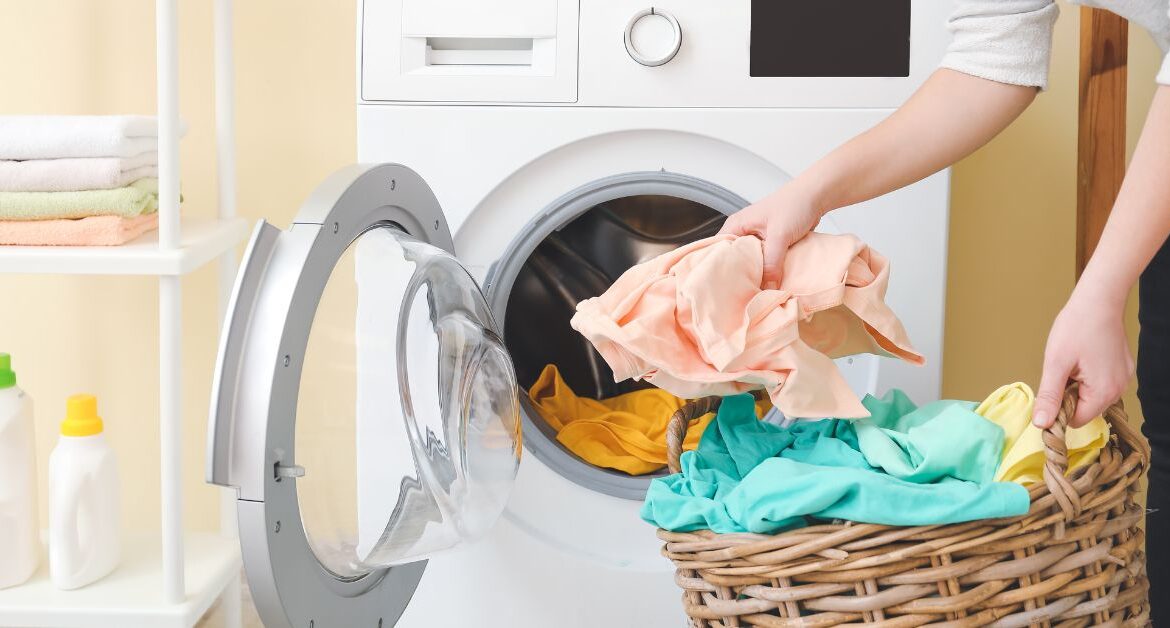
The laundry industry has come a long way from using a simple mixture of soap and water to a complex world of chemical solutions designed to target specific cleaning issues. For those who own or operate a commercial laundry business, work in a laundromat, or are just plain curious about the products that professional laundry facilities use, it is important to know the different types of chemicals that are used in laundry. This knowledge is crucial for achieving the best results while also taking care of your garments and linens.
Professional laundry processes use a blend of chemicals to help keep your fabrics clean and fresh. They are not just one product but a combination of specialty chemicals that work together to remove stains, deodorize, brighten, and prolong the lifespan of your textiles. We have created a handy guide to help you understand the various types of laundry chemicals used, how they work, and what they are needed for.
Understanding Laundry Chemistry Basics
Before exploring various chemical types, it is essential to grasp the general principles of laundry chemistry. The cleaning process involves several key stages: breaking down dirt and oils, suspending soil particles in water, preventing redeposition, and rinsing away contaminants. Each category of chemicals plays a role in one or more of these critical steps.
Professional laundry operations utilize pH-balanced formulations that clean effectively without causing harm to fabrics or equipment. The pH scale, ranging from 0 to 14, is a crucial factor in determining which chemicals are most suitable for specific applications. Alkaline chemicals with a pH above 7 are effective at removing oils and greasy stains. In contrast, acidic chemicals with a pH below 7 can combat mineral deposits and specific types of stains.
Main Categories of Laundry Chemicals
1. Detergents and Emulsifiers
Detergents form the foundation of any laundry operation, serving as the primary cleaning agents that lift and remove dirt from fabric fibers. Modern laundry detergents are complex formulations containing surfactants (surface-active agents) that reduce water’s surface tension, allowing it to penetrate fabric more effectively.
EMU 100 represents a category of emulsifiers specifically designed for commercial laundry applications. Emulsifiers work by breaking down oils and greases into smaller droplets that can be suspended in water and rinsed away. This process, known as emulsification, is crucial for removing stubborn oily stains from kitchen linens, work uniforms, and heavily soiled items.
These chemicals typically contain both hydrophilic (water-loving) and hydrophobic (water-repelling) components, creating a molecular bridge between water and oil-based stains. The result is thorough cleaning without leaving residue on fabrics or in washing machines.
2. Alkali Builders and Boosters
Alkali builders enhance detergent performance by softening water and maintaining optimal pH levels throughout the wash cycle. Hard water contains minerals like calcium and magnesium that interfere with detergent effectiveness, and alkali builders neutralize these minerals to improve cleaning results.
Products in this category increase the alkalinity of wash water, creating an environment where detergents work more efficiently. They also help break down protein-based stains and organic matter, making them particularly valuable for processing hotel linens, restaurant textiles, and healthcare facility laundry.
3. Spotting Agents and Stain Removers
The Spotting Kit showcased in professional laundry operations contains specialized chemicals formulated to target specific types of stains. These pre-treatment solutions work on contact, breaking down stain molecules before the main wash cycle begins.
Professional spotting agents come in various formulations, each designed for different stain categories:
- Protein stain removers – Effective against blood, egg, dairy, and other protein-based stains
- Tannin removers – Target coffee, tea, wine, and fruit-based stains
- Oil-based solvent spotters – Dissolve grease, lipstick, and petroleum-based stains
- Rust and ink removers – Specialized formulations for challenging stains
- Universal spotters – All-purpose solutions for general stain pre-treatment
The key to effective stain removal lies in identifying the stain type and applying the appropriate chemical treatment before washing. This targeted approach significantly increases the likelihood of complete stain removal without damaging the fabric.
4. Bleaches and Whitening Agents
Bleaches serve multiple purposes in professional laundry operations: they remove stains, sanitize fabrics, and restore whiteness to dingy linens. There are two main categories of bleach used in commercial laundry settings.
Chlorine bleach, or sodium hypochlorite, provides powerful whitening and disinfecting properties. It’s particularly effective on white cotton and linen items but must be used carefully to avoid fabric damage and color loss. This type of bleach works by oxidizing stain molecules, essentially breaking them apart at the molecular level.
Oxygen bleach, or hydrogen peroxide-based bleach, offers a gentler alternative suitable for colored fabrics. It activates at higher temperatures and provides excellent stain removal and brightening without the harsh effects of chlorine. Many professional laundries prefer oxygen bleach for its versatility and fabric-safe properties.
5. Fabric Softeners and Conditioners
Extra Soft and similar fabric softening agents improve the tactile quality of laundered items, making them feel softer and more comfortable against the skin. These chemicals work by coating fabric fibers with a thin layer of lubricating compounds that reduce friction between fibers and make fabrics feel smoother.
Beyond comfort, fabric softeners provide several practical benefits:
- Reduced static cling in synthetic fabrics
- Easier ironing due to relaxed fibers
- Fresh, pleasant fragrance that lingers on fabrics
- Minor water-repellent properties that help fabrics dry faster
- Protection against wear and tear from repeated washing
Professional-grade fabric softeners are formulated to work effectively in commercial washing equipment without leaving residue or causing buildup in machines.
6. Neutralizers and pH Adjusters
CC 100 represents the category of neutralizing agents that restore fabric pH to neutral levels after washing. Alkaline detergents and builders raise the pH of fabrics during washing, and if left untreated, this alkalinity can cause several problems including fabric degradation, skin irritation, and reduced fabric softener effectiveness.
Neutralizers, also called sours or conditioners, work by lowering pH back to neutral (around 5-7) during the rinse cycle. This process:
- Prevents yellowing of white fabrics over time
- Extends fabric lifespan by reducing alkaline degradation
- Enhances fabric softener performance
- Removes residual alkalinity that can irritate sensitive skin
- Eliminates mineral deposits and hard water residue
The neutralizing step is particularly important when processing towels, bed linens, and garments that come into direct contact with skin.
7. Specialty Chemicals
Liquid DIT and similar specialty formulations address specific laundry challenges that standard chemicals cannot adequately handle. These may include:
- Enzyme-based cleaners – Contain biological catalysts that break down specific stain types like blood, grass, and food
- Anti-redeposition agents – Prevent removed soil from settling back onto fabrics during washing
- Optical brighteners – Absorb UV light and emit blue light, making whites appear brighter and colors more vibrant
- Chelating agents – Bind with metal ions in water to prevent discoloration and equipment scaling
- Disinfectants and sanitizers – Kill bacteria, viruses, and fungi for healthcare and food service applications
How LaundroMentor Supports Your Laundry Operations
Dos and don’ts of laundry chemicals can get quite confusing, especially for small laundry business owners or unorganized store operators. It can be particularly difficult if you’re an entrepreneur looking to start a laundry business and have no prior knowledge of this field. Don’t worry, as LaundroMentor is here to help you every step of the way. LaundroMentor is a unique platform designed for entrepreneurs and small laundry business owners across India, who need an organised approach to your business by providing you with practical knowledge, useful tools and world-class products that are at par with the chemicals used in large chain laundries.
At LaundroMentor, we’re not a franchise, so you remain completely independent and own 100% of your business while getting all the support you need. If you are a laundry business owner or are thinking of becoming one, we provide easy-to-understand information, videos and step-by-step processes on how to use chemicals the right way. We also provide training on how to dose them correctly, safety measures, and ways to improve your efficiency in order to achieve professional results every time.
Laundry business owners who join LaundroMentor are able to access the quality of chemicals like EMU 100, Extra Soft, CC 100, and Spotting Kit along with the knowledge of how to use them in the right way. Having quality chemicals on hand along with the right knowledge helps small laundry businesses to compete with larger establishments.
Proper Chemical Dosing and Safety
Achieving optimal results while maximizing chemical efficiency requires precise dosing based on several factors: water hardness, soil level, fabric type, and load size. Under-dosing leads to poor cleaning results and customer dissatisfaction, while over-dosing wastes money and can damage fabrics.
Most professional laundry chemicals come with manufacturer-recommended dosing charts that account for these variables. However, real-world conditions often require adjustments based on specific circumstances. Investing in automatic dispensing systems can improve dosing accuracy and reduce chemical waste.
Safety must always be the top priority when handling laundry chemicals. These products, while effective, can be hazardous if misused:
- Always read and follow label instructions and safety data sheets
- Store chemicals in their original containers in a cool, dry, well-ventilated area
- Never mix chemicals unless specifically directed to do so
- Wear appropriate personal protective equipment including gloves and eye protection
- Keep chemicals away from children and unauthorized personnel
- Ensure proper ventilation in chemical storage and usage areas
- Train all staff members on proper handling and emergency procedures
Environmental Considerations
The environmental impact of laundry chemicals has become an increasingly important consideration for both consumers and regulatory agencies. Modern formulations increasingly incorporate biodegradable ingredients, concentrated formulas to reduce packaging waste, and phosphate-free compositions to protect aquatic ecosystems.
Professional laundry operations can minimize their environmental footprint by:
- Using biodegradable and eco-certified products when possible
- Implementing precise dosing to prevent chemical waste
- Choosing cold-water detergents to reduce energy consumption
- Properly disposing of chemical containers according to local regulations
- Investing in water recycling systems to reduce water usage
- Training staff on environmentally responsible practices
Many customers actively seek out environmentally conscious laundry services, making green practices both an ethical choice and a potential competitive advantage.
Selecting the Right Chemicals for Your Operation
Choosing appropriate chemicals depends on your specific laundry operation type, the fabrics you process, and your customer expectations. Hotels and restaurants require heavy-duty products capable of removing tough food and beverage stains. Healthcare facilities need hospital-grade disinfectants that meet regulatory standards. Retail laundromats serving residential customers may prioritize gentle, fragrance-rich products.
Key selection criteria include:
- Compatibility – Ensure chemicals work with your water conditions and equipment
- Effectiveness – Choose products proven to deliver results for your fabric types
- Cost-efficiency – Balance product cost with effectiveness and required dosing
- Safety profile – Consider staff safety and customer sensitivities
- Supplier reliability – Work with reputable suppliers who provide consistent quality
- Technical support – Partner with suppliers who offer training and troubleshooting assistance
Making the right choice is a challenge for a lot of laundry owners because the Indian water, soil, and fabric conditions are so different from western countries. LaundroMentor makes it easier by providing a specific set of chemicals tailored for Indian laundries to help get the best results for your local water, soils, and fabrics without going through an expensive and time-consuming trial-and-error process.
Troubleshooting Common Chemical-Related Issues
Even with proper chemical selection and dosing, laundry operations occasionally encounter problems. Understanding common issues and their solutions can help maintain consistent quality:
- Gray or dingy whites often result from insufficient detergent, hard water interference, or detergent residue buildup. Solutions include increasing alkalinity, adding a chelating agent, or implementing a periodic machine cleaning protocol.
- Harsh or stiff fabrics typically indicate inadequate rinsing, excessive detergent use, or skipped neutralizing steps. Ensure complete rinse cycles, reduce detergent dosing, and consistently use neutralizing agents.
- Persistent odors may stem from bacterial growth in fabrics or machines, insufficient washing temperatures, or inadequate drying. Address by increasing wash temperature, using disinfecting chemicals, and ensuring thorough drying.
- Spotting or discoloration can result from chlorine bleach contact with colored fabrics, rust in water, or chemical reactions between incompatible products. Prevent careful chemical separation and water treatment when necessary.
Conclusion
Understanding the types of chemicals used in laundry operations is fundamental to running a successful, professional service. From emulsifiers and detergents to spotting agents, softeners, and neutralizers, each chemical category plays a specific role in achieving clean, fresh, and properly maintained fabrics.
The complexity of modern laundry chemistry is not an excuse to give up before you start. A competent supplier, some good products, and a structured approach will allow you to make even a small facility deliver results that are at least comparable to big chain laundries. Success depends on a variety of factors, including knowledge of how chemicals interact with each other, proper dosing procedures, safety precautions, and ongoing process optimization based on the results achieved.
Whether starting a new laundry business or looking to optimize an existing operation, taking the time to invest in understanding laundry chemistry can bring significant benefits to your laundry business, such as improved customer satisfaction, lower operating costs, and a stronger business reputation. Knowledge, quality chemicals, and the right techniques are a winning combination in this competitive industry and a solid basis for building a successful business.
Frequently Asked Questions (FAQs)
How often should I calibrate my chemical dispensing equipment?
Chemical dispensing equipment should be calibrated monthly to ensure accurate dosing and optimal results. However, if you notice any changes in cleaning performance, excessive chemical usage, or inconsistent results, calibration should be checked immediately. Factors like water pressure fluctuations, pump wear, and scale buildup can affect dispenser accuracy over time. Many professional operations maintain a calibration log as part of their quality control procedures. If you're unsure about calibration procedures, platforms like LaundroMentor provide technical guidance to ensure your dispensing systems function correctly.
Can I mix different brands of laundry chemicals together?
Generally, it's not recommended to mix different brands of laundry chemicals unless you have verified their compatibility. Different manufacturers use varying formulations, and combining incompatible products can result in chemical reactions that reduce effectiveness, create hazardous fumes, or cause equipment damage. If you need to switch brands, it's best to use up existing stock completely, thoroughly clean your dispensing equipment, and then introduce the new products. Always consult with your chemical supplier or follow guidance from resources like LaundroMentor when making such changes to your chemical program.
What chemicals are essential for starting a small laundry business?
For a basic laundry operation, you'll need six essential chemical categories: a good quality detergent or emulsifier (like EMU 100) for primary cleaning, an alkali builder to enhance performance in hard water, a spotting kit for pre-treating tough stains, a bleaching agent for sanitization and whitening, a fabric softener (like Extra Soft) for customer satisfaction, and a neutralizer (like CC 100) to restore proper pH levels. As your business grows, you can expand to include specialty chemicals for specific applications. Starting with quality essentials ensures consistent results while keeping initial investment manageable.
How do I store laundry chemicals safely in a small space?
Proper storage is crucial regardless of available space. Chemicals should be kept in their original containers with labels intact, stored in a cool, dry area away from direct sunlight and heat sources. Acids and alkalis must be stored separately to prevent dangerous reactions if containers leak. Install spill containment systems like trays or secondary containment bins. Ensure the storage area has adequate ventilation and is inaccessible to unauthorized personnel, especially children. Keep safety data sheets readily available and post emergency contact numbers prominently. Even in limited space, these safety measures are non-negotiable for protecting staff and customers.

Aman Sawaran is a leading laundry business consultant who has personally guided over a hundred laundromat owners to success. With years of hands-on experience in the laundry industry, Aman specializes in helping entrepreneurs build and scale profitable laundromats and pick-up & delivery laundry businesses. His step-by-step consulting program covers everything from selecting the ideal distributor and perfect location to securing financing and launching a state-of-the-art laundromat within just 3 to 6 months. Ready to transform your laundry business idea into a thriving venture? Aman can show you how to launch, scale, and maximize your profits with proven strategies and expert guidance.


