

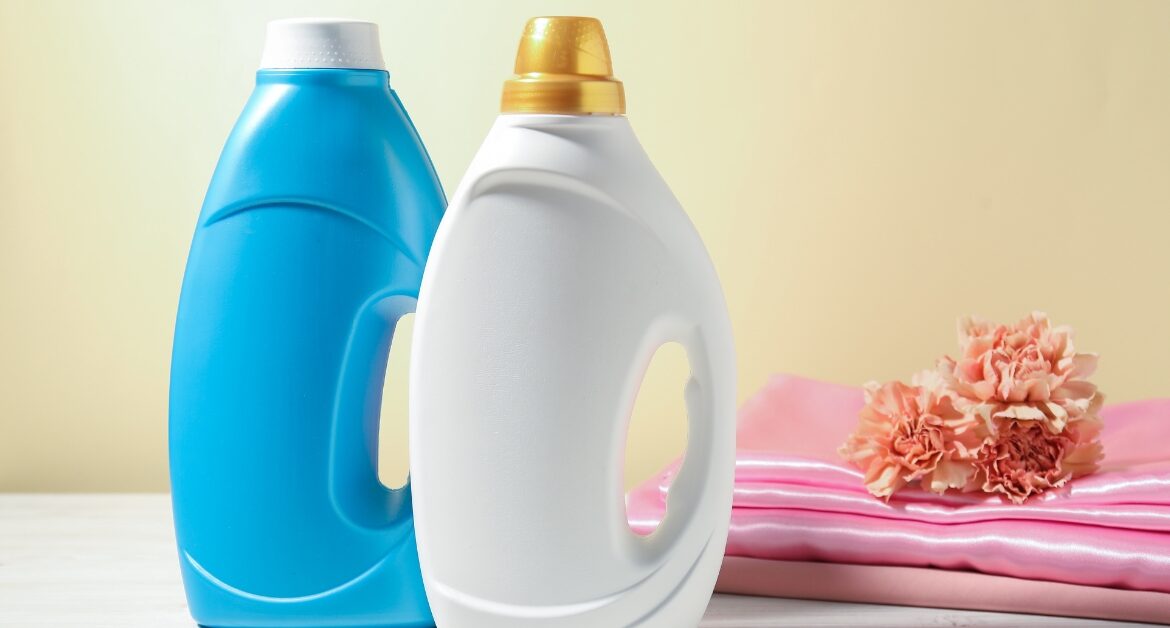
Fabric conditioner or fabric softener, which should I buy? If you find yourself wondering that every time you venture down the laundry aisle, you’re clearly not the only one. There are so many people that are clueless about which one to choose when they only want soft smelling, soft feeling laundry. People often use fabric conditioner and fabric softener interchangeably but what do they actually mean?
In this complete guide on fabric conditioners, we will cover; What is the difference between fabric conditioner and fabric softener? What are they used for? How do you use them? Why do you need them!
Understanding Fabric Conditioner and Fabric Softener
YES! Fabric conditioner is the SAME thing as fabric softener. OK, technically we could quibble because different brands use different terms. But if you are using FC it does the same thing as FS – it conditions (softens) your clothes and helps to reduce static cling.
It also adds a nice smell too. Here’s the real difference… In the UK, Australia and many other countries we refer to it as Fabric Conditioner. In the US and Canada the majority of people refer to it as Fabric Softener. So, which is it I hear you ask? They both are!
Why the Different Names?
Simply one name was chosen over the other due to branding/marketing decisions and linguistic traditions in different regions. Fabric conditioner puts emphasis on conditioning fibres whereas fabric softener puts emphasis on the softening effect that is noticeable when running your hands over treated clothing. Both terms describe what the product accomplishes correctly albeit with slight bias.
How Fabric Conditioner/Softener Works
So now you know how fabric conditioners work. It’s a pretty simple scientific process which is why fabric conditioner is used so commonly. Cationic surfactants are positively charged chemicals found in most conditioners.
When added during the rinse cycle they bind themselves to negatively charged fabric fibres. Lifting the fibres up ever so slightly leaving them smooth to the touch. They also help clothes to feel softer and reduce friction between fibres. Limiting static electricity and wrinkles.
Key benefits of using fabric conditioner include:
- Enhanced softness – Creates a noticeably softer feel on towels, bedding, and clothing
- Reduced static cling – Particularly beneficial for synthetic fabrics that generate static electricity
- Fresh fragrance – Leaves clothes smelling pleasant for days or even weeks
- Easier ironing – The lubricating effect makes fabrics smoother and easier to press
- Extended fabric life – Reduces fiber breakage caused by friction during washing and wearing
- Faster drying time – Helps water drain more quickly from fabric fibers
Types of Fabric Conditioner Available
Modern laundry care has evolved significantly, offering multiple formats of fabric conditioning products to suit different preferences and washing methods.
Liquid Fabric Conditioner
This is the most traditional and widely used form. Liquid fabric conditioner is added to the washing machine during the rinse cycle, either manually or through an automatic dispenser. It distributes evenly through the water and coats fabrics uniformly. For laundry businesses and home users alike, liquid conditioner remains the most versatile option.
LaundroMentor helps you to guide entrepreneurs and laundry store owners in selecting the right liquid fabric conditioners that deliver professional results while remaining cost-effective for business operations.
Dryer Sheets
These convenient single-use sheets are placed in the dryer with wet clothes. As the dryer heats up, the sheets release conditioning agents that coat the fabrics. Dryer sheets are particularly popular in regions where tumble dryers are commonly used.
Fabric Softener Balls and Dispensers
Reusable dryer balls made from wool or plastic offer a chemical-free alternative. While they don’t contain traditional softening agents, they physically separate clothes during drying, reducing stiffness and static. Some versions can be infused with essential oils for fragrance.
Conditioner Crystals
These scent-boosting crystals are added at the start of the wash cycle. While primarily designed for fragrance rather than softening, many users combine them with traditional fabric conditioner for enhanced results.
When and How to Use Fabric Conditioner Properly
Using fabric conditioner correctly ensures optimal results and prevents potential issues with your washing machine or fabrics.
Application guidelines for best results:
- Timing is crucial – Always add fabric conditioner during the rinse cycle, never with detergent
- Dilution matters – Never pour undiluted conditioner directly onto clothes as it can cause staining
- Follow dosage instructions – Using too much doesn’t improve results and can leave residue
- Check fabric compatibility – Some materials shouldn’t be treated with conditioner
- Clean the dispenser regularly – Prevents buildup that can affect washing machine performance
- Consider water hardness – Harder water may require slightly more product for the same effect
Fabrics to Avoid Conditioning
Not all fabrics benefit from fabric conditioner treatment. Certain materials can actually lose important properties when treated with softening agents:
The conditioner destroys the absorbency of microfiber cloths and towels. This goes for athletic clothing made with sweat-wicking fabric as a well–conditioner will cover the ability of the fabric to wick sweat away from your skin. Flame resistant clothing, as well as children’s flame resistant sleepwear, is treated with chemicals that make them fire-resistant. Fabric conditioners will ruin the treatment. Clothes that are supposed to repel water, such as outdoor gear and rain coats, will also have their treatment ruined by fabric conditioner. Wash these garments without conditioner, using detergent only.
Professional Laundry Insights from LaundroMentor
If you own a laundry business or want to start one then fabric care products become more important. At LaundroMentor we guide you to choose the right chemicals and products to use that give you professional results at affordable prices.
With the booming laundry business industry in India there are a lot of small and unorganized store owners who want to expand their business or beat the competition of big laundry chains. Just having access to the right Fabric Conditioner and laundry chemicals can really make a difference.
Commercial laundry businesses tend to have Commercial Fabric Conditioners which are different from your usual fabric conditioner. Commercial Fabric conditioners are concentrated which makes them affordable when used for a large number of laundry. They are also made to be used for industrial washing machines and give uniform results when used for large batches of different fabrics.
Starting a Laundry Business can be very easy if you know where to find the right suppliers. At LaundroMentor we have partnered with supplier’s from India and Germany to provide the budding entrepreneur reliable sources to buy laundry chemicals and Fabric Conditioners that will let you compete with those big laundry chains without any franchise restrictions.
Environmental Considerations and Alternatives
As environmental awareness grows, many consumers question the ecological impact of fabric conditioners. Traditional formulations contain chemicals that can persist in waterways and potentially affect aquatic life.
Several eco-friendly alternatives have emerged for environmentally conscious consumers:
White vinegar serves as a natural fabric softener when added to the rinse cycle. It softens clothes, reduces static, and helps remove detergent residue without leaving a vinegar smell on dried clothes. Baking soda added to the wash cycle also softens water and fabrics naturally.
Wool dryer balls provide a reusable, chemical-free option for reducing static and softening clothes in the dryer. They work by physically separating clothes as they tumble, allowing better air circulation and faster drying.
For those who prefer commercial products but want greener options, many brands now offer plant-based fabric conditioners with biodegradable ingredients and minimal environmental impact. These products work similarly to traditional conditioners while addressing sustainability concerns.
Common Fabric Conditioner Myths Debunked
Several misconceptions about fabric conditioner persist despite evidence to the contrary.
- Myth 1: Fabric conditioner is unnecessary While not strictly essential, fabric conditioner significantly improves the feel and longevity of most fabrics. It’s particularly valuable for towels, bedding, and clothes made from natural fibers.
- Myth 2: More conditioner means softer clothes. Using excess conditioner doesn’t enhance softness. Instead, it creates buildup on fabrics and washing machine components, potentially causing unpleasant odors and reduced appliance efficiency.
- Myth 3: Fabric conditioner damages washing machines, When used according to instructions and with regular machine maintenance, fabric conditioner doesn’t harm washing machines. Problems arise from overuse or neglecting to clean dispensers and drums.
- Myth 4: All conditioners are the same Quality varies significantly between brands and formulations. Professional-grade products often deliver better results and better value than economy options, especially in commercial settings.
Making the Right Choice for Your Laundry Needs
Selecting the appropriate fabric conditioner depends on several factors including fabric types, washing machine specifications, personal fragrance preferences, and whether you’re washing for a household or operating a commercial laundry service.
For home use, experiment with different brands and formulations to find what works best with your water quality and fabric preferences. Pay attention to concentration levels, concentrated formulas offer better value despite higher upfront costs.
The structured guidance provided by LaundroMentor helps aspiring laundry entrepreneurs navigate these decisions, offering knowledge and tools similar to those used by established laundry chains. This support proves invaluable when selecting suppliers, comparing product formulations, and establishing quality control procedures.
The Bottom Line
Fabric conditioner is the same thing as fabric softener… Just depending on where you are from you call it different names. Conditioner or softener, they help make your fabrics feel nicer, reduce static cling, leave your clothes smelling fresh, and help prolong the life of your clothes.
Let’s look at how to use fabric conditioner correctly, on what fabrics you can use it and avoid using it for maximum results preventing damage or wasting your money.
Whether you’re a home user looking to add that little bit of extra comfort to your daily life or you’re a laundry business owner looking to deliver that extra professionalism in your service to keep your customers coming back.
So long as you use the right product, use it correctly and keep your washing machines clean, fabric conditioner is one of the least expensive and most effective ways to upgrade your laundry.
FAQ
Why do my clothes sometimes have stains after using fabric conditioner?
Staining typically occurs when undiluted conditioner contacts fabric directly. Always add conditioner to the dispenser drawer or dilute it with water before adding it to the machine. Never pour it directly onto clothes.
How much fabric conditioner should I use per wash load?
Follow the dosage instructions on your specific product as concentration varies between brands. Generally, use one capful for regular loads and slightly more for larger loads or harder water. Using too much wastes product and can cause buildup.
Is fabric conditioner safe for sensitive skin?
Most major brands offer hypoallergenic or sensitive skin formulations without dyes and with minimal fragrance. If you have skin sensitivities, look for dermatologically tested products or consider natural alternatives like white vinegar.
Can fabric conditioners extend the life of my clothes?
Yes, fabric conditioners can help extend garment life by reducing friction between fibers during washing and wearing. This minimizes fiber breakage and helps maintain fabric integrity, though proper washing technique and appropriate detergent selection are equally important


