

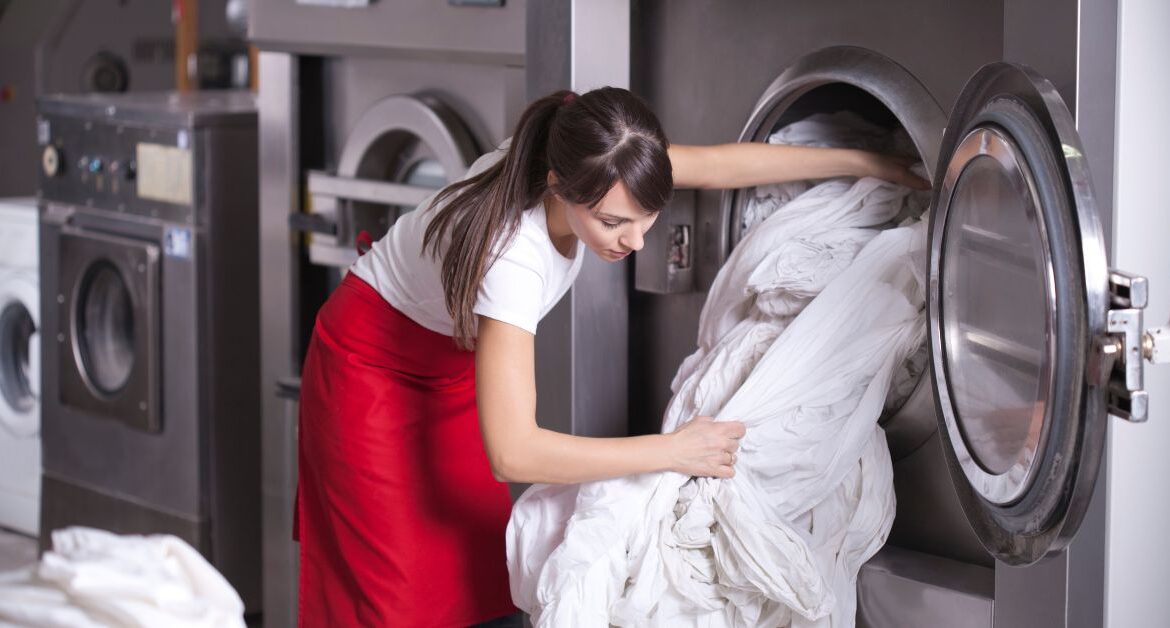
Starting a retail laundry business can be a lucrative venture in today’s fast-paced world where people increasingly value convenience and quality service. Whether you’re looking to serve busy professionals, students, or families in your community, understanding the fundamentals of setting up a retail laundry operation is crucial for long-term success. This comprehensive guide walks you through every essential step, from initial planning to daily operations, helping you build a profitable laundry business from the ground up.
Understanding the Retail Laundry Business Model
Before we discuss the setup process, let’s first review the key reasons for starting a retail laundry business.
Retail laundry businesses have been on the rise in India in the last 10 years and are projected to grow even more in the coming years due to factors such as urbanisation, changing lifestyles and higher disposable incomes. And now, even small and unorganised store-owners can get the same professional assistance and setup systems that were until now limited to large chains with the help of professional laundry organisations like LaundroMentor.
Conducting Market Research and Location Analysis
The foundation of any successful retail laundry begins with thorough market research. Start by analyzing your target area to understand the demographics, competition, and potential customer base. Visit the neighborhoods you’re considering and observe the foot traffic, residential density, and presence of commercial establishments like offices, hotels, and hospitals.
Key factors to evaluate during your location analysis include accessibility, visibility, parking availability, and proximity to your target customers. Areas with high concentrations of working professionals, students, or families typically offer the best opportunities for retail laundries. Additionally, assess the competition by visiting existing laundries to understand their pricing, services, and customer flow patterns.
Your market research should also include conversations with potential customers to gauge their laundry habits, pain points, and willingness to pay for professional services. This information will be invaluable when designing your service menu and pricing strategy.
Creating a Comprehensive Business Plan
A detailed business plan serves as your roadmap to success and is essential if you’re seeking financing from banks or investors. Your plan should outline your business objectives, target market, competitive analysis, marketing strategy, operational procedures, and financial projections.
Financial planning components to include:
- Initial investment requirements for space, equipment, and inventory
- Monthly operational costs including rent, utilities, salaries, and supplies
- Revenue projections based on realistic customer volumes
- Break-even analysis to understand when your business will become profitable
- Contingency funds for unexpected expenses or slow periods
Your business plan should also detail your unique value proposition—what makes your laundry different from competitors. This could be faster turnaround times, eco-friendly processes, specialized services like leather or wedding dress cleaning, or exceptional customer service.
Securing the Right Commercial Space
Location can make or break your retail laundry business. Look for a commercial space between 400 to 1000 square feet, depending on your budget and ambitions. The ideal space should have adequate ventilation, proper drainage systems, and sufficient electrical capacity to handle commercial washing machines and dryers.
Consider the layout carefully. You’ll need separate areas for receiving and sorting clothes, washing and drying operations, ironing and folding, and customer service. A small office space for administrative work and a comfortable waiting area for customers also enhance the professional image of your establishment.
Negotiate lease terms that give you flexibility, especially in the initial months when you’re building your customer base. Ensure all necessary permissions and approvals are in place before signing the lease, including fire safety clearances and local municipal permits.
Essential Equipment and Machinery Investment
The heart of your retail laundry operation lies in the quality and efficiency of your equipment. Investing in the right machinery from the outset saves money in the long run through lower maintenance costs and better service quality.
Core equipment requirements include:
- Commercial washing machines (front-loading models are more water and energy-efficient)
- Industrial dryers with appropriate capacity
- Professional pressing and ironing equipment including steam irons and ironing tables
- Dry cleaning machine if you plan to offer dry cleaning services
- Boiler system for steam generation
- Water softener and filtration system to protect equipment and improve cleaning quality
- Packaging materials including hangers, covers, and poly bags
Sourcing Quality Chemicals and Detergents
Professional laundry chemicals are vastly different from household products. They’re formulated to handle large volumes, tough stains, and various fabric types while being used in commercial equipment. Your chemical inventory should include detergents for different fabric types, stain removers, fabric softeners, bleaching agents, and finishing products.
Building relationships with reputable chemical suppliers ensures consistent quality and competitive pricing. Look for suppliers who provide technical support and training on proper chemical usage, dosing, and safety protocols. Using the right chemicals in correct proportions not only improves cleaning results but also extends the life of fabrics and your equipment.
The chemicals you choose should be effective yet safe for both your staff and the environment. Many customers today prefer laundries that use eco-friendly products, making this a potential differentiator for your business.
Staffing and Training Requirements
Your team is the backbone of your operation. For a small to medium-sized retail laundry, you’ll typically need washing machine operators, dry cleaning operators (if applicable), ironing staff, packing personnel, and customer service representatives. Consider hiring experienced individuals for key positions while training others in-house.
Essential training areas for your staff:
- Proper operation and maintenance of machinery
- Fabric identification and appropriate cleaning methods
- Stain identification and treatment techniques
- Customer service and complaint handling
- Safety protocols and emergency procedures
- Quality control standards and inspection processes
Setting Up Operational Systems and Processes
Operational efficiency is key to a laundry’s success. Have a system in place to track each order from the time it is received to the time it is delivered. Consider using labels with customer information and specific instructions for each order to avoid mix-ups or loss of items.
Utilize laundry management software that includes billing, customer management, order tracking, and inventory management features. There are many affordable options that also integrate with mobile apps, allowing customers to schedule pickups, track orders, and make payments electronically.
Develop clear procedures for sorting laundry by color, fabric type, and cleaning method. Implement checklists for pre- and post-cleaning inspections to identify any damages or persistent stains. A systematic approach to quality control helps prevent customer dissatisfaction and enhances your reputation for reliability.
Running a laundry business with multiple fronts is a lot to keep track of when you’re just starting. This is where LaundroMentor can be a game-changer. It gives you a system to put into place immediately that small store-owners typically do not have, or take years to develop on their own. We bring you laundry systems that have been proven to work, and that the larger laundry chains have also been using for years.
Pricing Strategy and Service Menu Development
Pricing your services requires careful consideration of your costs, competitor pricing, and perceived value. Calculate your cost per kilogram or per piece, including labor, chemicals, utilities, equipment depreciation, and overhead. Add your desired profit margin while remaining competitive with local market rates.
Consider offering different service tiers: economy, standard, and premium, each with varying turnaround times and service levels. This allows you to cater to different customer segments, from price-conscious students to professionals willing to pay more for express service.
Your service menu might include wash and fold, dry cleaning, ironing only, stain treatment, shoe cleaning, carpet cleaning, and specialized services like leather or wedding dress cleaning. Starting with core services and gradually expanding based on customer demand is a prudent approach.
Marketing and Customer Acquisition Strategies
Building a customer base from scratch requires consistent marketing efforts across multiple channels. Start with a strong local presence through traditional methods like flyers, local newspaper ads, and partnerships with nearby residential societies and corporate offices.
Digital marketing is equally crucial in today’s environment. Create a professional website with online booking capabilities, establish a presence on Google My Business to appear in local searches, and actively manage social media profiles showcasing your work and customer testimonials.
Consider launching with promotional offers like discounted rates for first-time customers or loyalty programs that reward repeat business. Offering free pickup and delivery within a certain radius can be a significant differentiator, especially in competitive markets.
Word-of-mouth remains the most powerful marketing tool for service businesses. Focus on exceeding customer expectations with every order, and encourage satisfied customers to leave reviews and refer friends and family.
Legal Compliance and Licensing
Operating legally protects your business and builds customer trust. Register your business entity—whether as a sole proprietorship, partnership, or private limited company—based on your plans and investment size.
Obtain necessary licenses and registrations including your business license from the local municipal corporation, GST registration if your turnover exceeds the threshold, trade license, fire safety certificate, pollution control clearance, and shop and establishment registration.
Ensure compliance with labor laws if you have employees, including proper contracts, provident fund registrations, and ESI coverage where applicable. Maintain proper insurance coverage for your equipment, premises, and liability protection.
Quality Control and Customer Service Excellence
Quality control systems ensure every garment leaving your facility meets high standards. Implement multi-point inspection processes where clothes are checked before cleaning (noting existing damages or stains), after cleaning (ensuring cleanliness and proper treatment), and before packaging (verifying presentation and completeness).
Develop a clear policy for handling damaged items, including transparent communication with customers and fair compensation when your business is at fault. Having comprehensive insurance protects you financially in such situations.
Customer service extends beyond just cleaning clothes well. Train your staff to greet customers warmly, listen to their concerns, provide accurate time estimates, and handle complaints professionally. Simple gestures like remembering regular customers’ preferences or offering complimentary stain treatment create lasting impressions.
Implementing Sustainable Practices
Environmental consciousness is increasingly important to customers and beneficial for your operational costs. Invest in water-efficient equipment, implement water recycling systems where possible, and use biodegradable detergents and chemicals.
Energy-efficient machines, LED lighting, and optimal scheduling of heavy equipment during off-peak hours reduce electricity costs. Proper waste management, including responsible disposal of chemical residues and recycling of packaging materials, demonstrates your commitment to sustainability.
Marketing your eco-friendly practices attracts environmentally conscious customers and can justify premium pricing. Certifications from recognized environmental organizations add credibility to your green claims.
Financial Management and Growth Planning
Maintaining healthy finances requires diligent record-keeping and regular analysis of key metrics. Track daily revenue, monitor expenses category-wise, calculate your average transaction value, and measure customer acquisition costs. This data helps identify trends, spot problems early, and make informed decisions.
Set aside funds for equipment maintenance and eventual replacement. Commercial laundry equipment requires regular servicing to maintain efficiency and prevent breakdowns that could halt operations. Build relationships with reliable service technicians for your machinery brands.
As your business stabilizes and grows, consider expansion opportunities such as adding pickup and delivery services, opening additional locations, partnering with hotels or hospitals for bulk contracts, or franchising your successful model to other entrepreneurs.
Leveraging Professional Guidance and Support
Opening a retail laundry is a complicated process. There are so many details to attend to and decisions to make along the way. Equipment, chemicals, staff, operations, quality control, layout, workflow, marketing… Each step along the way has so many pitfalls and potential costly mistakes. The more knowledge and experience you have beforehand the more likely you are to succeed and avoid mistakes.
With LaundroMentor you are not alone in starting your laundry business. We are here to provide guidance every step of the way. Our Laundry Mentoring Program is different from a laundry franchise in that we don’t charge you a large upfront fee and force you into a “cookie cutter” system. We will work with you to help you create your own independent laundry business by providing you with a proven process, access to information, industry contacts and support every step of the way from start up through the growth of your business. Assistance includes equipment sourcing through our Indian and German connections, guidance with chemical use and training, systems for operations and quality control, and ongoing support and troubleshooting as needed.
Building Long-Term Customer Relationships
Customer retention is more cost-effective and lucrative than always seeking new customers. Run loyalty programs that incentivize repeat business. Offer subscription plans with a discounted rate for loyal, returning customers. Store customer preferences and special requests in your system.
Regular newsletters, seasonal promotions, and valuable tips (e.g., garment care) can keep your business top of mind for existing customers. Consider implementing a small discount or token gesture for a customer’s anniversary of using your service. This helps create an emotional bond with your customers.
Seek out customer feedback through surveys or casual conversations. Customers will appreciate you listening to their needs and concerns, which may even provide you with insights to make your services better or add new ones that you hadn’t thought of previously.
FAQ
What is the typical profit margin in the retail laundry business?
Well-managed retail laundries typically achieve profit margins of 25-40% after stabilizing operations. Margins depend on pricing strategy, operational efficiency, equipment utilization, and customer volume.
How long does it take to break even in a laundry business?
Most retail laundries break even within 12-18 months of operation. This timeline can be shorter with effective marketing, strong customer service, and strategic location selection that ensures steady customer flow from the beginning.
Do I need prior experience to start a retail laundry?
Prior experience helps but isn't essential. Many successful laundry owners started without industry experience by investing in proper training, following structured guidance from mentors or support organizations, and hiring experienced staff for technical operations.
What are the most common mistakes new laundry owners make?
Common mistakes include underestimating working capital needs, choosing location based solely on low rent rather than customer potential, skimping on equipment quality leading to frequent breakdowns, inadequate staff training resulting in poor service quality, and weak quality control systems causing customer dissatisfaction.

Aman Sawaran is a leading laundry business consultant who has personally guided over a hundred laundromat owners to success. With years of hands-on experience in the laundry industry, Aman specializes in helping entrepreneurs build and scale profitable laundromats and pick-up & delivery laundry businesses. His step-by-step consulting program covers everything from selecting the ideal distributor and perfect location to securing financing and launching a state-of-the-art laundromat within just 3 to 6 months. Ready to transform your laundry business idea into a thriving venture? Aman can show you how to launch, scale, and maximize your profits with proven strategies and expert guidance.


