

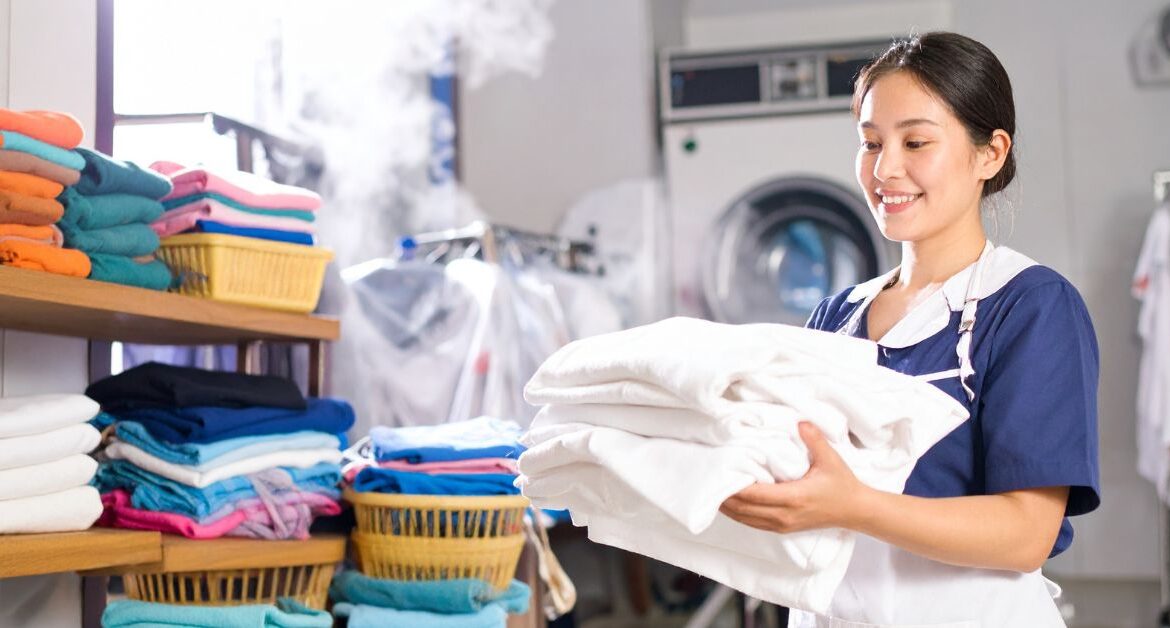
Opening and running a laundry shop business is one of the most profitable business ideas for the current generation of professionals who have no time to do their laundry and busy families that outsource washing. Whether you are opening a brand new laundromat or are currently in business and just want to know how to make more money running a laundry shop, it’s important to know the ins and outs of how to run a successful laundry business in order to be profitable in the long run and to satisfy your customers.
In this complete guide, we will cover everything from opening and setting up your shop to day-to-day operations, customer service, and growth strategies.
Understanding the Laundry Business Landscape
Owning and operating a laundry service business today is far different than it was ten years ago. The wash and fold service has evolved into a highly technical, quality equipment and right chemicals and customer management knowledge intensive business. The customer base today is not just residential customers but hotels, hospitals, salons, offices, you name it.
Before we go into the steps for starting up a laundry shop, it’s important to know that running a profitable laundry shop is more than knowing how to do laundry. You have to know the ropes of running a business.
Many new owners jump right into the laundry business with no idea how it will all work and thus fail.
LaundroMentor is designed for those who are looking to start a laundry business in India. It’s a proven system that guides you with detailed instructions at each stage of setting up your laundry shop to ensure you have the right foundation for success.
We are on a mission to help small & unorganized store owners to set up their laundry businesses and we do that by giving them access to the systems, knowledge and tools they need to compete against big chain laundries.
Essential Steps to Set Up Your Laundry Shop Operations
Location and Infrastructure Setup
Location is important for a laundry shop. Choose a site that has a good flow of pedestrian traffic and offers convenient access and parking. Neighborhoods near apartment buildings, college campuses, residential areas and commercial districts are popular locations.
Essential infrastructure includes adequate space for washing machines, dryers, folding tables, storage and a waiting area for customers. Proper ventilation is needed to dispel steam and humidity. Ample electrical capacity is required for heavy-duty machines and your facility will need a reliable water supply with drains.
Key Infrastructure Considerations:
- Install commercial-grade washing machines and dryers based on your expected volume
- Set up separate areas for sorting, washing, drying, ironing, and folding
- Create a comfortable customer reception area with seating arrangements
- Ensure adequate lighting throughout the facility, especially in inspection areas
- Implement proper storage solutions for clean and dirty laundry segregation
- Establish a systematic workflow layout to minimize movement and maximize efficiency
Equipment Selection and Maintenance
Equipment is the heart and soul of your laundry business. Invest in commercial washers and dryers that are durable and energy efficient. Machines are available in different sizes and capacities from as low as 10 kg up to 35kg and above. Choose the equipment size that best fits your target market and expected volume.
An ideal laundry setup will feature front-load washing machines for efficiency, high-capacity dryers with adjustable fabric settings, industrial irons and pressing equipment for a crisp, professional finish and stain removal stations with adequate lighting. Routine equipment maintenance is key to avoid expensive repairs and inconsistent quality. Keep a log for each machine, train your team on basic troubleshooting, and have a network of dependable equipment service providers.
Mastering Laundry Operations: The Technical Side
Understanding Fabric Types and Care Instructions
Professional laundry operators should be able to identify different types of fabric and their care needs. Cotton, linen, synthetics, blends, wool, silk, and delicates have different temperature settings, detergents, and drying methods. Instruct your employees to check the type of fabric by reading the care label.
A burn test may be used to identify types of fabric when no care label is present. Improperly treating different types of fabric is the quickest way to shrink and ruin your customer’s clothes and lose your business. Print out a chart of common types of fabric and the water temperature, detergents, drying method and ironing needs for each.
Chemical Selection and Usage
The chemicals you use directly impact cleaning quality and fabric longevity. Professional laundry operations require a range of specialized products beyond basic detergents.
Essential Laundry Chemicals:
- Heavy-duty detergents for removing tough stains and maintaining brightness
- Fabric softeners to enhance texture and reduce static
- Bleaching agents for whitening and sanitization
- Stain removers targeting specific stain types (oil, protein, tannin-based)
- Neutralizers to balance pH levels and prevent fabric damage
- Finishing agents for professional presentation
Water and Temperature Management
Water quality and temperature control are critical variables in laundry operations. Hard water requires water softeners to prevent mineral buildup and improve detergent effectiveness. Understanding temperature requirements is essential, hot water (60-90°C) works best for whites, heavily soiled items, and sanitization; warm water (40-50°C) suits most colored fabrics and moderately soiled items; while cold water (below 30°C) is appropriate for delicates and dark colors prone to bleeding.
Daily Operational Procedures
Customer Intake and Order Management
Establishing a systematic customer intake process prevents errors and sets clear expectations. When customers bring laundry, inspect items in their presence and note any existing damages, stains, or special care requirements. Provide detailed receipts showing item count, service type, expected completion date, and pricing.
Implement a robust tracking system using tags or barcodes to prevent mix-ups. Many successful laundry shops now use digital management systems that track orders from intake to delivery, allowing customers to check order status online.
Processing Workflow
An efficient processing workflow ensures consistency and productivity. Start with sorting incoming laundry by color, fabric type, and washing requirements. Separate whites, light colors, dark colors, and delicate items. Check pockets and remove items that could damage machines or clothing.
Pre-treat visible stains immediately upon receipt. The longer stains sit, the harder they become to remove. Apply appropriate stain removers and allow them to work before washing. Load washing machines to recommended capacity—overloading reduces cleaning effectiveness while underloading wastes resources.
Set appropriate wash cycles based on fabric type and soil level. Heavy-duty cycles for workwear and linens, normal cycles for everyday clothing, and delicate cycles for sensitive fabrics. After washing, promptly transfer items to dryers or hang-dry as appropriate to prevent mildew and wrinkles.
Quality Control and Finishing
Quality control separates professional operations from mediocre ones. Inspect each item after washing for remaining stains, damage, or cleaning issues. Items failing inspection should be rewashed or spot-treated as needed.
The finishing process includes proper drying without over-heating, careful folding or hanging, proper pressing and ironing for dress clothes and formal wear, and final inspection before packaging. Package orders neatly using bags or covers that protect cleaned items and present a professional image.
Building Efficient Team Operations
Staff Recruitment and Training
Your employees are the backbone of your laundry operation. Hire individuals with attention to detail, reliability, and customer service orientation. Technical skills can be taught, but attitude and work ethic are harder to change.
Develop comprehensive training programs covering fabric identification and care, proper use of washing machines and dryers, chemical selection and application, stain removal techniques, ironing and pressing methods, and customer interaction protocols. LaundroMentor’s guidance systems help small laundry business owners develop standardized training materials that ensure consistent quality regardless of staff turnover.
Creating Standard Operating Procedures
Document every aspect of your operation in detailed standard operating procedures (SOPs). SOPs ensure consistency, facilitate training, and maintain quality even during busy periods or staff changes. Create written procedures for customer intake and order processing, sorting and pre-treatment, washing and drying operations, finishing and quality control, and customer delivery and payment collection.
Customer Service Excellence
Communication and Expectation Management
Clear communication prevents misunderstandings and builds trust. Be upfront about what can and cannot be achieved with different stains and fabrics. If a stain might be permanent or a garment requires special handling that increases cost, inform customers immediately.
Provide realistic turnaround times and consistently meet them. If delays occur, proactively communicate with affected customers. Set up reminder systems for customers who haven’t collected their orders within expected timeframes.
Handling Complaints and Issues
Even with great care, problems sometimes happen. How you deal with them decides if customers come back or complain. Don’t be defensive when customers have a concern. Listen to the problem and determine the cause. Examine the issue and propose an equitable solution.
Typical problems include damaged pieces, lost items, unacceptable clean, and late orders. It’s good to have policies on refunds and resolution amounts, but use discretion and do what’s right if needed.
Financial Management and Pricing Strategy
Cost Structure Analysis
Understanding your cost structure enables profitable pricing. Major cost categories include equipment purchase and maintenance, water and electricity consumption, detergents and chemicals, staff wages and benefits, rent and facility costs, marketing and customer acquisition, and packaging and supplies.
Calculate your cost per kilogram of laundry processed to establish baseline pricing. Factor in different service levels, basic wash-and-fold typically costs less than premium services with ironing and special packaging.
Pricing Models
Different pricing models suit different market segments. Per-kilogram pricing works well for bulk laundry, while per-piece pricing suits premium services with individual garment care. Many successful shops offer tiered pricing with basic, standard, and premium service levels, each with different turnaround times and finishing quality.
Subscription models for regular customers provide predictable revenue and encourage loyalty. Offer monthly packages with discounted rates for customers with consistent laundry needs.
Marketing Your Laundry Business
Building Local Presence
Laundry businesses thrive on local customers and word-of-mouth referrals. Develop strong community connections through local advertising in residential areas, partnerships with nearby hotels, hostels, and corporate offices, referral programs rewarding existing customers, and participation in local business associations and community events.
Create an attractive storefront with clear signage and visible operating hours. Maintain a clean, welcoming environment that encourages customers to visit and wait comfortably.
Digital Marketing Strategies
Even traditional businesses like laundries benefit from digital presence. Create a simple website with service information, pricing, contact details, and online booking capabilities. Maintain active social media profiles showcasing your services, sharing laundry tips, and engaging with customers.
List your business on Google My Business and encourage satisfied customers to leave reviews. Positive online reviews significantly influence potential customers’ decisions. Consider offering online payment options and SMS notifications for order status updates, convenience features that modern customers appreciate.
Scaling and Growth Strategies
Expanding Service Offerings
Once your core laundry operations run smoothly, consider expanding services to increase revenue. Additional offerings might include dry cleaning services requiring specialized equipment, alteration and repair services, shoe cleaning and restoration, curtain and upholstery cleaning, and pickup and delivery services for added convenience.
Each expansion should be evaluated based on market demand, required investment, and operational capacity. Start small with pilot programs before committing significant resources.
Multiple Location Strategy
Successful single-location operations can expand to multiple outlets. This growth strategy requires documented systems, reliable managers, and adequate working capital. Before expanding, ensure your first location operates profitably with minimal owner involvement, you have documented procedures for all operations, financial systems provide clear visibility into performance metrics, and you’ve identified and trained capable managers.
For entrepreneurs looking to expand systematically, structured guidance becomes invaluable. LaundroMentor assists small laundry business owners in developing scalable systems and processes that facilitate growth without compromising quality—a common challenge when moving from single to multiple locations.
Technology Integration in Modern Laundry Operations
Management Software Solutions
Modern laundry management software streamlines operations and improves customer experience. These systems typically include order tracking from intake to delivery, customer databases with preferences and history, automated SMS and email notifications, inventory management for chemicals and supplies, employee scheduling and productivity tracking, and financial reporting and analysis.
While sophisticated systems require investment, even basic digital tools significantly improve efficiency compared to manual, paper-based processes.
Payment and Customer Convenience Features
Digital payment options are increasingly expected by customers. Accept multiple payment methods including cash, credit and debit cards, mobile wallets like Google Pay and Paytm, and UPI transactions. Contactless payment options became especially important post-pandemic and continue to be valued for convenience.
Consider implementing loyalty programs through mobile apps or digital punch cards, allowing customers to earn rewards and discounts through repeat business.
Sustainability and Environmental Considerations
Water and Energy Efficiency
Laundry operations consume significant water and energy. Implementing efficiency measures reduces costs and appeals to environmentally conscious customers. Use high-efficiency washing machines that use less water per load, install water recycling systems where feasible, optimize wash cycles to avoid unnecessary water usage, and use energy-efficient dryers and consider air-drying when appropriate.
Eco-Friendly Chemical Options
The market increasingly demands environmentally responsible business practices. Source biodegradable detergents and cleaning agents, minimize bleach usage by using oxygen-based alternatives, choose concentrated products reducing packaging waste, and properly dispose of chemical containers and wastewater.
Marketing your environmental initiatives attracts customers who prioritize sustainability and can justify premium pricing for eco-friendly services.
Common Challenges and Solutions
Operating a laundry business presents unique challenges. Seasonal fluctuations affect demand, with monsoon seasons typically increasing business while holidays may decrease it. Maintain cash reserves for slow periods and consider promotional pricing during off-seasons to maintain steady workflow.
Equipment breakdowns can cripple operations. Maintain backup plans including relationships with nearby laundries for overflow processing, preventive maintenance schedules to minimize unexpected failures, and adequate emergency funds for repairs or temporary equipment rentals.
Staff turnover affects service consistency. Combat this through competitive compensation, positive work environment, clear advancement opportunities, and comprehensive documentation that facilitates rapid training of replacements.
Regulatory Compliance and Business Formalities
Ensure your laundry business complies with all local regulations including business registration and licensing, environmental clearances for water usage and waste disposal, fire safety certificates, employee-related compliances like PF and ESI, and GST registration and tax compliance.
Consult with local authorities and business advisors to understand all applicable requirements in your jurisdiction. Non-compliance can result in fines, operational shutdowns, or legal complications.
Continuous Improvement and Learning
The most successful laundry businesses continuously evolve. Stay updated on industry trends, new equipment technologies, improved chemicals and cleaning methods, and customer preference shifts. Regularly solicit customer feedback through surveys, suggestion boxes, online reviews, and direct conversations.
LaundroMentor provides ongoing support and knowledge resources for small laundry business owners, helping them stay current with industry best practices without the overhead of expensive consultants or franchise fees. This support system is particularly valuable for unorganized store owners who lack access to professional development resources that larger chains enjoy.
Conclusion
Opening and running a laundry store is an operation in the details. It is also a game of consistency and customer service, operations and business development. Laundry business is a viable business for the would-be entrepreneur and is a field that will pay a dividend in success with careful planning, hard work, and a no-compromise attitude about the customer experience.
Whether you are just starting in the laundry business or looking for ways to expand on your existing operation, one thing should not be overlooked: every large laundry business began with one happy customer at a time. Be consistent with quality, institute systems that ensure every order is identical to the last, and remember that every customer should be treated with respect and professionalism, and with a drive to learn and improve on results.
The laundry business is ever changing, with technology, customer expectations, and the marketplace shifting constantly. The key is to be flexible, look for best practices and new ideas, and never stop learning. With a dedication to the customer experience, systems to back it up, and support, through mentors, industry resources, or even Laundry Haven’s platforms, your business is destined for growth and development to become a sustainable, profitable laundry business, benefitting your community and your financial future.
FAQ
What is the typical profit margin in the laundry business?
Laundry businesses typically operate with profit margins between 25-40% after accounting for all operational costs. Margins depend heavily on efficiency, pricing strategy, and cost control. Premium services with value-added features like pickup-delivery, specialized stain removal, and quick turnaround can command higher prices and better margins. Volume-based operations with lower per-unit margins can still achieve good profitability through scale.
How long does it take for a laundry business to break even?
Most well-managed laundry businesses achieve break-even within 12-18 months of operation. This timeline depends on initial investment size, monthly operational costs, customer acquisition rate, and pricing strategy. Businesses with strong local marketing, excellent service quality, and strategic locations may break even sooner, while those in competitive markets or with higher overhead costs may take longer.
What are the most important factors for laundry business success?
The critical success factors include consistent quality in cleaning and finishing, reliable turnaround times that meet customer expectations, excellent customer service and communication, proper fabric care that prevents damage, strategic location with good accessibility, efficient operations that control costs, trained and reliable staff, effective local marketing, and fair pricing that reflects value provided. Businesses that excel in these areas build loyal customer bases and generate positive word-of-mouth referrals.
Do I need prior experience in laundry work to start a laundry business?
While prior laundry experience is helpful, it's not absolutely necessary to start a successful laundry business. Many successful owners began without technical knowledge but invested in proper training, learning from industry resources, and hiring experienced operators. The key is willingness to learn fabric care principles, washing and drying techniques, stain removal methods, and business management fundamentals. Structured guidance systems like those offered by LaundroMentor help bridge the knowledge gap for newcomers by providing professional training materials, operational procedures, and ongoing support that accelerate the learning curve.

Aman Sawaran is a leading laundry business consultant who has personally guided over a hundred laundromat owners to success. With years of hands-on experience in the laundry industry, Aman specializes in helping entrepreneurs build and scale profitable laundromats and pick-up & delivery laundry businesses. His step-by-step consulting program covers everything from selecting the ideal distributor and perfect location to securing financing and launching a state-of-the-art laundromat within just 3 to 6 months. Ready to transform your laundry business idea into a thriving venture? Aman can show you how to launch, scale, and maximize your profits with proven strategies and expert guidance.


