

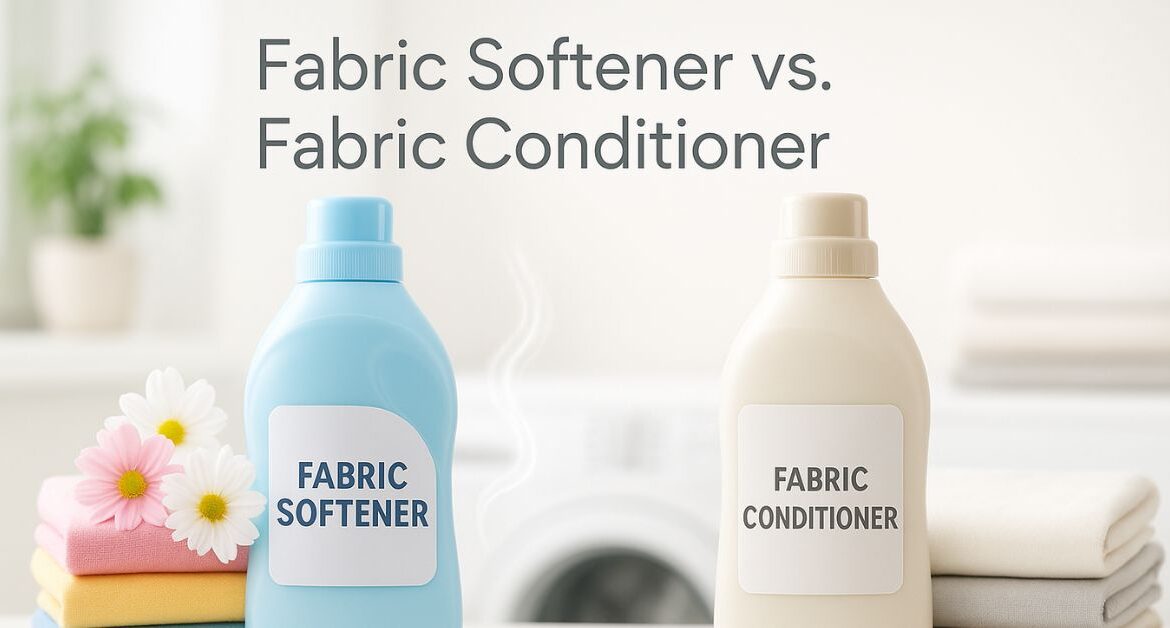
It’s not uncommon for people to think that fabric conditioner and fabric softener are one and the same thing. Both of these products claim to leave your clothes smelling fresh, feeling soft and last longer – but are they the same thing?
In most cases, yes and no. The difference is not always clear between the two laundry care products, and they are sometimes even used interchangeably. However, there are a few distinct differences between fabric softeners and fabric conditioners. By educating yourself on the differences, you can better determine which is right for your clothing and your wash routine. Here, we will help to explain in more detail.
What Is a Fabric Softener?
A fabric softener is a laundry product designed to reduce static cling, soften fabrics, and add fragrance to clothes. It is usually added during the final rinse cycle of the wash.
How Fabric Softeners Work
Fabric softeners contain cationic surfactants that coat the surface of fabric fibers, making them feel smoother and more flexible. This coating minimizes friction between fibers, resulting in softer and less staticky clothes.
Benefits of Fabric Softeners
- Softens Fabrics: Makes towels, bedsheets, and clothes feel smooth and cozy.
- Reduces Static: Helps prevent cling, especially in synthetic fabrics.
- Adds Freshness: Leaves a pleasant scent that lasts after drying.
- Prevents Wrinkles: Makes ironing easier by reducing fiber stiffness.
However, excessive use can leave a residue that affects absorbency, particularly in towels and sportswear.
What Is a Fabric Conditioner?
A fabric conditioner goes beyond softening. It’s formulated to nourish and protect fabric fibers, extending the lifespan of garments while maintaining softness and color vibrancy.
Unlike traditional softeners, conditioners are created to provide deep fiber care rather than just surface coating.
How Fabric Conditioners Work
Fabric conditioners penetrate into the fabric threads, creating a protective layer that strengthens fibers and reduces wear and tear caused by frequent washing.
Benefits of Fabric Conditioners
- Longer Garment Life: Reduces damage and fiber breakage.
- Color Protection: Maintains the brightness and original color of clothes.
- Improved Texture: Restores smoothness to older fabrics.
- Fresh Fragrance: Adds a gentle, lasting fragrance without overpowering.
- Eco-Friendly Options: Many modern conditioners are biodegradable and gentle on the skin.
LaundroMentor recommends using a conditioner if you wash delicate clothing or fabrics that require extra care, such as cotton, linen, or wool blends.
Fabric Conditioner vs Fabric Softener: Key Differences
Although both serve similar purposes, their composition and primary functions differ.
| Feature | Fabric Softener | Fabric Conditioner |
| Purpose | Softens fabric and reduces static | Conditions and protects fibers |
| Effect on Fabric | Works on the surface of fibers | Penetrates and nourishes fibers |
| Longevity Benefits | Short-term softness | Long-term fiber protection |
| Suitable For | Everyday laundry | Delicate, expensive, or color-rich fabrics |
| Frequency of Use | Regular washes | Best for special or delicate loads |
| Eco-Friendliness | May contain strong chemicals | Often formulated with eco-friendly ingredients |
In short, if you want your fabrics to simply feel soft, a softener is ideal. But if you want them to last longer and look newer, a conditioner is your best choice.
Common Myths and Misconceptions
Several persistent myths surround fabric conditioners and softeners that deserve clarification:
- Myth One: Conditioner is gentler than softener. Since they’re the same product, there’s no difference in gentleness. What matters is the specific formula and concentration you choose.
- Myth Two: You need to use them every wash. Actually, many fabrics benefit from occasional “detox” washes without any conditioning agents, which allows detergent buildup to be cleared away.
- Myth Three: More product equals softer clothes. Using excessive amounts creates buildup on fabrics and washing machine components, potentially causing greasiness and reducing absorbency.
- Myth Four: They clean your clothes. These products don’t clean—that’s the detergent’s job. Conditioners and softeners are finishing treatments applied after cleaning is complete.
- Myth Five: All fabrics need softening. Certain materials like microfiber, athletic wear, and flame-resistant fabrics should never be treated with these products as the coating reduces their functional properties.
When You Should Skip Fabric Softener
Not every load benefits from fabric conditioning treatment. Understanding when to avoid these products preserves garment functionality and prevents damage:
- Microfiber Cloths and Towels: The coating fills in the tiny spaces that make microfiber effective at trapping dirt and absorbing liquid, essentially ruining their purpose
- Athletic and Performance Wear: Moisture-wicking properties depend on fabric structure that conditioning agents will compromise, leaving you sweaty and uncomfortable
- Flame-Resistant Clothing: The chemical coating can reduce fire resistance, creating serious safety hazards for children’s sleepwear and work clothing
- Water-Repellent Fabrics: Raincoats, outdoor gear, and waterproof items lose their protective qualities when conditioner coats the fibers
- Baby Items and Sensitive Skin: The chemicals and fragrances may irritate delicate skin, and the reduced absorbency affects diapers and burp cloths
LaundroMentor offers detailed fabric care guides that help you identify which items in your wardrobe benefit from conditioning and which ones should be washed without it.
Environmental and Health Considerations
Many manufacturers now offer plant-based alternatives using ingredients like soy-derived softening agents and essential oils for fragrance. These products typically break down more readily in the environment and present fewer allergy risks, though they may come at a higher price point.
If you’re concerned about chemical exposure but want soft clothes, consider these alternatives:
- White Vinegar: Add half a cup to the rinse cycle for natural softening and static reduction without fragrance or chemical residue
- Baking Soda: Adding a quarter cup to the wash cycle helps balance pH and naturally softens water, leading to softer fabrics
- Wool Dryer Balls with Essential Oils: Combine mechanical softening with natural fragrance by adding a few drops of your favorite essential oil to wool balls
- Aluminum Foil Balls: Strange but effective for reducing static in the dryer through electron discharge, though they don’t add softness
Making the Right Choice for Your Household
Selecting the right product depends on several personal factors rather than the conditioner versus softener debate. Consider your priorities:
- For Budget-Conscious Households: Liquid formulas offer the best value per load, especially when purchased in larger containers or store brands. Using the recommended amount rather than overpouring extends product life significantly.
- For Convenience Seekers: Dryer sheets provide the easiest application method, though they cost more per use. Automatic dispensers in modern washing machines make liquid formulas nearly as convenient.
- For Eco-Conscious Consumers: Wool dryer balls or concentrated plant-based liquids in recyclable packaging minimize environmental impact. Vinegar offers the most sustainable option with virtually no packaging waste.
- For Sensitive Skin: Fragrance-free, dye-free formulas labeled “hypoallergenic” reduce irritation risks. Some people find complete elimination of these products solves persistent skin issues.
- For Fragrance Lovers: Scent boosters combined with matching conditioner formulas create longer-lasting aromatic experiences, though this approach uses more products and chemicals.
- Platforms like LaundroMentor help you navigate these choices with unbiased information about different products and methods suited to various household needs and values.
Proper Usage Tips for Best Results
Getting the best performance from your fabric conditioner or fabric softener depends on how you use it. Follow these key points for effective results:
- Measure Accurately:
- Always follow the manufacturer’s recommended dosage instead of guessing.
- Overusing the product can cause buildup on clothes and inside your washing machine.
- Residue buildup can lead to greasiness, reduced absorbency, and even mechanical problems.
- Always follow the manufacturer’s recommended dosage instead of guessing.
- Use the Dispenser, Not Direct Application:
- Pour liquid softener or conditioner into the designated dispenser compartment.
- Avoid pouring it directly onto clothes to prevent staining and uneven coating.
- Pour liquid softener or conditioner into the designated dispenser compartment.
- Add at the Right Time:
- Fabric conditioner should be added during the rinse cycle, after detergent is completely rinsed out.
- Modern washing machines have automatic dispensers that release the product at the correct time.
- If hand-washing or using a basic washer, drain soapy water first, refill with clean rinse water, then add the conditioner.
- Fabric conditioner should be added during the rinse cycle, after detergent is completely rinsed out.
- Mind the Water Temperature:
- Both fabric softeners and conditioners work in cold and warm water.
- Slightly warm water helps distribute the product more evenly.
- However, cold water washing saves energy and usually offers sufficient softening performance.
- Both fabric softeners and conditioners work in cold and warm water.
- Dryer Sheet Usage:
- If using dryer sheets, place them in the dryer at the start of the drying cycle.
- Remove them promptly when clothes are dry to avoid residue buildup.
- Reusing dryer sheets reduces their effectiveness and may cause coating on fabrics or dryer surfaces.
- If using dryer sheets, place them in the dryer at the start of the drying cycle.
By following these tips, you’ll maintain softness, freshness, and the long-term quality of your fabrics, while keeping your washing machine clean and efficient.
Troubleshooting Common Problems
Even when using products correctly, you might encounter issues:
- Greasy Spots on Clothes: This occurs from product overuse or pouring directly onto fabric. Rewash affected items with detergent only, using the hottest water the fabric can tolerate. Prevent future issues by measuring carefully and using dispensers.
- Reduced Towel Absorbency: Conditioning agent buildup prevents towels from absorbing water effectively. Strip towels by washing them with a cup of white vinegar, then running a second cycle with half a cup of baking soda. Afterward, reduce conditioning frequency or skip it entirely for towels.
- Persistent Static Despite Using Softener: Overdrying causes static regardless of conditioning. Remove clothes while slightly damp or use a moisture sensor setting. Synthetic fabrics generate more static than natural fibers, requiring different approaches.
- Fragrance Fading Quickly: This usually indicates insufficient product or incompatible detergent. Some detergents contain ingredients that neutralize softener fragrance. Switching brands or increasing the amount slightly may help.
- Machine Odors: Conditioning product residue in dispensers and drum creates bacterial growth and musty smells. Run empty cleaning cycles monthly with washing machine cleaner or white vinegar, and wipe dispensers after each use.
How LaundroMentor Supports Your Laundry Journey
Laundry is more than conditioner vs. softener. Learning the differences between all types of fabrics, which products work best on each, and how to fix problems when they occur are all important aspects of laundry. LaundroMentor is your guide to becoming a laundry expert and finding the professional-level answers you need to handle laundry like a pro at home.
The site covers topics including how to remove stains, how to understand all of those symbols on your washing machine, and any other decision you have to make about your clothes or linens. Whether you’re working with fine silks, managing a family of athletes with activewear to care for, or just trying to fluff up your towels again, information is power.
The Bottom Line
The ongoing debate about whether fabric conditioner is the same thing as fabric softener really doesn’t matter that much, because it is the same product with two different names. The important thing to consider is how the product works, when you should use it and which type is best for you.
Your decision should be based on your household’s values, whether you prioritize maximum softness, environmental friendliness, cost efficiency, or even potential allergens. There is no one-size-fits-all answer and you may find that a combination of methods, such as vinegar for regular loads and commercial products for special garments, gives you the best results. Education is the key to laundry success, and experimentation is important to find out what works for you.
Begin by following the recommended dosage of your chosen product, watch what happens with different types of fabrics and modify your routine until you are satisfied with the results. Notice how your clothes feel, smell and wear over time, and make adjustments when you see signs of residue buildup or decreased effectiveness.
Also bear in mind that good fabric care doesn’t have to be complicated or expensive. Sometimes less is more, and knowing when to do less can improve the results while saving money. Whether you pick up a bottle of conditioner or softener, you are purchasing the same functional product in the end, so it’s really what you do with it that matters.
Frequently Asked Questions
Is fabric conditioner safe for baby clothes?
Yes, but choose a hypoallergenic, fragrance-free conditioner designed for sensitive skin. Always check labels for “baby-safe” or “dermatologically tested.”
Why do towels lose absorbency with fabric softener?
Softener coats fibers, reducing their ability to absorb water. Use softener sparingly or skip it for towels to maintain absorbency.
Can fabric softener damage my washing machine?
Not directly, but residue build-up can occur if overused. Clean your dispenser tray regularly to prevent blockage and odors.
How often should I use a fabric conditioner?
Use it once every few washes or for delicate fabrics that need extra care. Overuse isn’t necessary for every load.

Aman Sawaran is a leading laundry business consultant who has personally guided over a hundred laundromat owners to success. With years of hands-on experience in the laundry industry, Aman specializes in helping entrepreneurs build and scale profitable laundromats and pick-up & delivery laundry businesses. His step-by-step consulting program covers everything from selecting the ideal distributor and perfect location to securing financing and launching a state-of-the-art laundromat within just 3 to 6 months. Ready to transform your laundry business idea into a thriving venture? Aman can show you how to launch, scale, and maximize your profits with proven strategies and expert guidance.


