

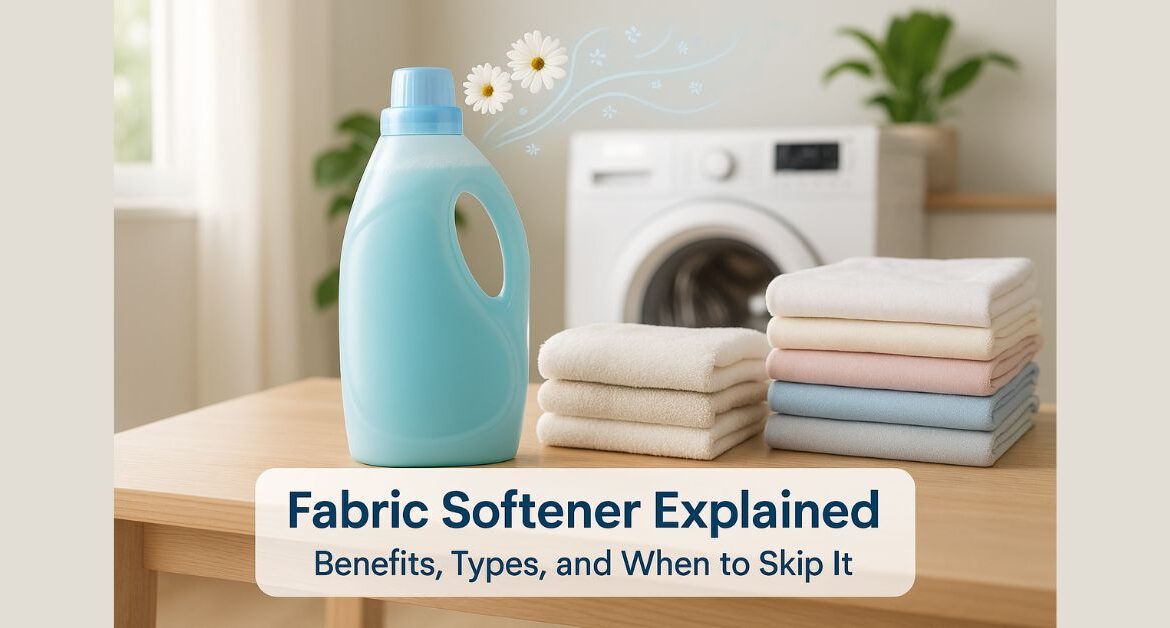
Ever been down the laundry aisle, surrounded by a sea of bottles, all claiming to soften your clothes and make them smell fresh? But have you ever stopped to ask yourself, “What exactly is fabric softener and do I really need it?” If so, you’ve come to the right place. In this ultimate guide, we will cover everything from the chemical makeup of fabric softeners to how to properly use them in your laundry routine.
Understanding Fabric Softener: More Than Just a Pleasant Scent
Fabric softener is a laundry product that conditions your clothes to make them softer, less prone to static cling, and more fragrant beyond the wash cycle. It is not the same as detergent: it doesn’t clean your clothes, rather it coats the textile fibers with a very thin layer of conditioning chemicals that make them feel and act differently.
Fabric softeners’ conditioning agents are quaternary ammonium compounds, also known as “quats”. Quats have a positive electrical charge, which makes them attracted to the negatively charged fibers in your fabrics. The molecules interlock when they bond with each other during the rinse cycle, leaving a slippery smooth layer that coats the fibers, reducing friction between them. It’s this slippery film that gives your towels a luxurious feel and keeps your clothes from getting that stiff, scratchy feel with frequent laundering.
The other components of fabric softeners are surfactants, emulsifiers, fragrances, preservatives, and sometimes colorants. The surfactants distribute the conditioning agents throughout the water; emulsifiers keep the other ingredients mixed. Fragrances are what make your clothes and towels smell fresh and clean for days or even weeks after washing.
The Science Behind Softer Fabrics
To really get a feel for how fabric softener works, we need to take a look at what’s going on to your clothes during washing. When fabric becomes wet and is agitated in the washing machine, the fibers in the cloth absorb water and swell. At the same time, the outer layers of the fibers “open up” to allow the water to enter the material. The effect is particularly pronounced in natural fibers, like cotton. But when the water is spun out and the fabric dries, the outer scales on the fibers can remain in this roughened, open position. This makes the material feel rough to the touch and unpleasant to wear against the skin.
Fabric softener prevents this during the rinse cycle by laying down its conditioning agents on the exposed scales. The lubricating film tames down the fibers so that they lie flat and are free to slide past each other. The fabric feels softer, easier to iron, and wrinkles less during drying. The static-reducing effect is also related. Static charges are generated when one surface rubs against another and electrons jump between the two. The softener’s conditioning agents create a slightly conductive path so that the charges can recombine without building up into painful static discharges.
Different Types of Fabric Softeners Available
The market offers several varieties of fabric softeners, each with its own advantages and ideal use cases:
- Liquid Fabric Softener remains the most popular choice for home laundry. Added during the rinse cycle, it provides consistent results and works well with both top-loading and front-loading machines. Most washing machines have a designated dispenser that automatically releases the softener at the right time.
- Dryer Sheets offer convenience and portability. These thin sheets coated with fabric softening agents and fragrances are simply tossed into the dryer with wet clothes. As the dryer heats up, the coating melts and distributes across your fabrics. They’re particularly effective at reducing static but may not provide the same level of softness as liquid versions.
- Dryer Balls have gained popularity as a reusable, eco-friendly alternative. Made from wool or plastic, these balls bounce around in the dryer, physically separating clothes and improving air circulation. While they don’t add fragrance, they do reduce drying time and can minimize static and wrinkles naturally.
- Scent Boosters are concentrated fragrance beads added to the wash cycle for extra scent intensity. While not technically fabric softeners, they’re often used in combination with softeners for maximum freshness. Resources like LaundroMentor provide detailed comparisons to help you choose the right products for your specific laundry needs.
Benefits of Using Fabric Softener in Your Laundry Routine
Enhanced Comfort and Texture
The most obvious benefit is the improved feel of your fabrics. Towels become fluffier, bed sheets feel silky smooth, and clothing is more comfortable against your skin. This is particularly noticeable with items that have been washed repeatedly, as fabric softener helps restore some of the original softness lost over time.
Extended Fabric Lifespan
By reducing friction between fibers, fabric softeners can actually help your clothes last longer. The protective coating minimizes the wear and tear that occurs during washing and wearing, keeping fabrics from becoming thin or developing holes as quickly.
Easier Ironing and Reduced Wrinkles
Softened fabrics are more pliable and less prone to wrinkling. When you do need to iron, the process goes much faster because the iron glides smoothly over the treated surface. Many people find they can skip ironing altogether on certain items after using fabric softener.
Long-Lasting Fragrance
Beyond softness, the pleasant scent that fabric softeners impart can make your entire wardrobe and linen closet smell fresh. This fragrance clings to fibers and releases gradually, providing a subtle, clean scent throughout the day.
Static Control
In dry climates or during winter months, static electricity in laundry can be frustrating. Fabric softener effectively neutralizes static, preventing clothes from clinging together or giving you unwelcome shocks when you reach into the dryer.
When You Should Skip the Fabric Softener
Despite its benefits, fabric softener isn’t suitable for every load of laundry. Understanding when to avoid it is just as important as knowing when to use it:
- Athletic and Performance Wear: Moisture-wicking fabrics rely on their ability to pull sweat away from your body. Fabric softener coats these technical fibers, blocking their pores and reducing their effectiveness. Workout clothes, athletic leggings, and performance t-shirts should always be washed without softener.
- Microfiber Materials: Whether it’s cleaning cloths, mop heads, or microfiber towels, the tiny fibers that make these materials so effective at trapping dirt and absorbing liquid will become clogged with softener residue, rendering them nearly useless.
- Flame-Resistant Clothing: Children’s sleepwear and work clothing designed with flame-resistant properties can lose their protective capabilities when treated with fabric softener. The coating can actually make fabrics more flammable.
- Water-Repellent Items: Raincoats, outdoor gear, and water-resistant fabrics are treated to repel moisture. Fabric softener interferes with this treatment, potentially turning your waterproof jacket into a soggy mess during the next rainstorm.
- Towels (Sometimes): This might seem counterintuitive, but using too much fabric softener on towels can reduce their absorbency over time. The coating prevents water from being absorbed as readily. Consider alternating loads with and without softener, or use it sparingly on bath linens.
How to Use Fabric Softener Correctly
Proper Measurement and Application
Measure the recommended amount of fabric softener. The more you use the better is not true for laundry products. Measure as directed on the bottle. Adjust the amount for load size and the hardness of your water. Less product is needed for soft water than for hard water. Pour the measured amount into your washing machine in the fabric softener dispenser compartment. Never pour the softener directly on the clothes.
Undiluted softener can stain or cause greasy spots on clothes. If your washer doesn’t have an automatic dispenser for liquid softener, you must dilute it with water then pour it into the washer by hand at the beginning of the rinse cycle. One dryer sheet is enough for a normal load. For a large or extra-large load you might use two. Adding more than that won’t make much difference and could leave residue on the clothes and dryer drum.
Timing Matters
When using liquid fabric softener, the time of introduction into the wash cycle is critical to its success. Fabric softener should be added during the rinse cycle, after the detergent has completed its cleaning work. If it is added during the wash cycle, it will be diluted and ineffective. It could also hinder the work of the detergent.
Most modern washing machines have an automatic dispensing system for softener which releases it at the correct time. If you are hand-washing or using an old machine without this dispenser, wait until the wash water is drained away and the fresh rinse water is added before adding the fabric softener.
Storage and Shelf Life
Store fabric softener in a cool, dry place away from direct sunlight. Extreme temperatures may change the consistency of the fabric softener, as well as how well it performs. Fabric softener does not technically expire, but its freshness and effectiveness could wear off. If the bottle has been opened for more than a year, it may be time to use up the last bit or toss it. Separation or clumping is a good sign to switch out your product.
Natural and DIY Fabric Softener Alternatives
Key Considerations for Making Your Own Softener
Growing awareness of chemical sensitivities and environmental concerns has led many people to explore natural alternatives to commercial fabric softeners. Here are some effective options:
- White Vinegar: One of the most popular natural fabric softeners, white vinegar works by breaking down detergent residue and softening fabrics naturally. Add half a cup to your rinse cycle. Despite concerns about smell, the vinegar scent dissipates as clothes dry, leaving no lingering odor.
- Baking Soda: Adding half a cup of baking soda to your wash cycle can soften water, which in turn makes fabrics feel softer. It also helps balance pH levels and boost detergent effectiveness.
- Epsom Salt and Essential Oils: Mix two cups of Epsom salt with 20-30 drops of your favorite essential oil. Add two tablespoons per load during the rinse cycle for soft, lightly scented laundry.
- Hair Conditioner Solution: Surprisingly, inexpensive hair conditioner works similarly to fabric softener. Mix one part conditioner with three parts water and use as you would liquid fabric softener. This DIY option provides excellent results at a fraction of the cost.
Exploring these alternatives and understanding their proper usage becomes easier with guidance from resources like LaundroMentor, which offers practical advice for optimizing your laundry routine while considering both effectiveness and environmental impact.
Common Fabric Softener Mistakes to Avoid
Issues That Reduce Effectiveness
- Overuse: Using more than the recommended amount doesn’t make clothes softer; it creates buildup on fabrics and inside your washing machine. This residue can trap odors, reduce absorbency, and even damage machine components over time.
- Using with the Wrong Fabrics: As discussed earlier, applying fabric softener to performance fabrics, microfiber, or flame-resistant materials compromises their functionality. Always check care labels before adding softener to a load.
- Mixing with Bleach: Never add fabric softener at the same time as bleach. The two products can react negatively, reducing the effectiveness of both and potentially damaging your fabrics.
- Ignoring Machine Maintenance: Fabric softener dispensers and dryer lint traps require regular cleaning. Buildup in these areas can lead to poor performance, unpleasant odors, and even machine malfunctions.
- Not Adjusting for Water Type: Hard water contains minerals that interact with fabric softener differently than soft water. You may need to adjust the amount you use based on your local water quality.
Environmental and Health Considerations
There is a growing discussion around the sustainability of fabric softeners. Many traditional softeners use ingredients that do not biodegrade easily and can build up in water systems, potentially harming aquatic life. The fragrances, while appealing, are often artificial chemicals that can cause allergies or sensitivities in some people.
If you are concerned about environmental impact, opt for plant-based fabric softeners with biodegradable ingredients and natural fragrances. These are often more expensive, but better for the eco-conscious. You can also use the natural DIY methods above for a truly sustainable option.
If you have sensitive skin or respiratory issues, there are fragrance-free and hypoallergenic fabric softeners available. These products still offer softening effects but avoid the additional chemicals that can irritate some people. If you experience skin rashes, respiratory symptoms, or headaches that you think may be related to your laundry products, try switching to a gentler formula or eliminating fabric softener altogether to see if your symptoms improve.
Making Informed Decisions About Your Laundry Routine
Now that you know what fabric softener is, how it works, and when to use it, you can make better decisions about your laundry. You don’t need softener on every load, but it can be tricky to find the right balance for your particular fabrics, wash frequency, preferences, and any sensitivities you or your family members may have.
The best approach is to experiment and observe. Try different products and techniques to see what works best for you. Notice how your clothes feel, how long the freshness lasts, and if there are any negative impacts on fabric performance or skin irritation.
For more information about all things laundry, from product selection to troubleshooting, LaundroMentor is here to help. We have the answers for all your laundry questions, whether you’re struggling with a specific issue or just looking to improve your routine. Having a go-to resource for reliable, detailed information can make your laundry experience more effective and less stressful.
Frequently Asked Questions
Can I use fabric softener in every load of laundry?
While you can use fabric softener frequently, it's not recommended for every load. Avoid using it on athletic wear, microfiber, towels (every time), flame-resistant clothing, and water-repellent fabrics. For regular clothing, bed linens, and most everyday items, fabric softener can be used as desired.
Why do my towels feel less absorbent after using fabric softener?
Fabric softener works by coating fibers with conditioning agents. On towels, this coating fills in the spaces between fibers that normally trap and absorb water, reducing their absorbency. To maintain towel absorbency while still enjoying softness, use fabric softener sparingly or only every few washes.
What's the difference between fabric softener and dryer sheets?
Both products serve similar purposes but work differently. Liquid fabric softener is added during the rinse cycle and coats wet fabrics before drying. Dryer sheets are added to the dryer and release their conditioning agents through heat, primarily focusing on static reduction and fragrance.
Can fabric softener cause skin irritation or allergic reactions?
Yes, some people experience skin irritation, rashes, or allergic reactions to ingredients in fabric softeners, particularly the fragrances and preservatives. If you notice unexplained skin irritation that corresponds with your laundry schedule, try switching to a hypoallergenic, fragrance-free formula or eliminating fabric softener entirely.

Aman Sawaran is a leading laundry business consultant who has personally guided over a hundred laundromat owners to success. With years of hands-on experience in the laundry industry, Aman specializes in helping entrepreneurs build and scale profitable laundromats and pick-up & delivery laundry businesses. His step-by-step consulting program covers everything from selecting the ideal distributor and perfect location to securing financing and launching a state-of-the-art laundromat within just 3 to 6 months. Ready to transform your laundry business idea into a thriving venture? Aman can show you how to launch, scale, and maximize your profits with proven strategies and expert guidance.


