

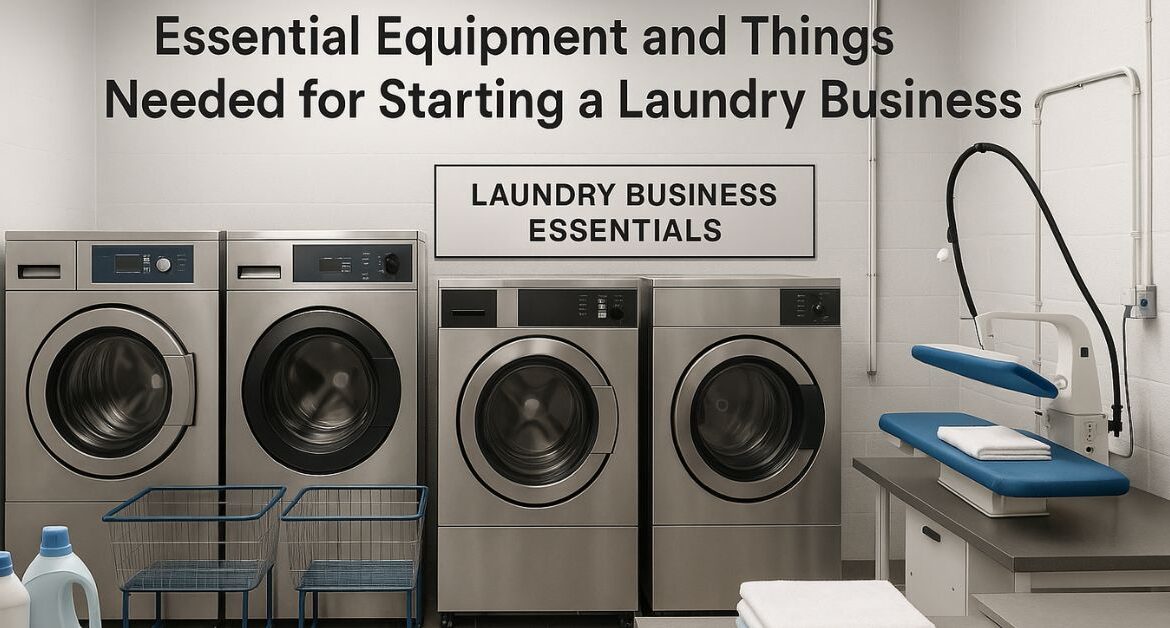
Opening your own laundry business can be a profitable and fulfilling entrepreneurial venture, and there are several options for the different types of laundry businesses you can open, from coin laundromats, to full-service laundromats, to commercial cleaning services. Whatever your laundry business, however, before you can begin doing laundry for a profit, you first have to outfit your laundry business with the right machines, equipment, supplies, and more. This ultimate guide to starting your own laundry business will tell you exactly what you need to know to open and run your very own successful laundry business.
Core Laundry Equipment: The Foundation of Your Business
The heart of any laundry operation lies in its washing and drying equipment. Selecting the right machines can significantly impact your operational efficiency, customer satisfaction, and long-term profitability.
Commercial Washing Machines
Industrial washing machines differ vastly from residential models in capacity, durability, and performance. When choosing washers for your laundry business, consider these key categories:
Hard Mount Washer Extractors are permanently installed machines bolted directly to the floor. These units handle heavy loads ranging from 14 kg to 100 kg and are ideal for high-volume operations. They offer superior extraction speeds, reducing drying time and energy costs. Hard mount machines deliver exceptional cleaning performance for hotels, hospitals, and large-scale laundry facilities.
Stacker Washers maximize space efficiency by combining washing and drying functions in a vertical configuration. Available in capacities from 10 kg to 25 kg, these space-saving solutions are perfect for businesses with limited floor space. Stacker units allow you to process multiple loads simultaneously without expanding your physical footprint, making them excellent choices for urban locations or smaller establishments.
The capacity you choose depends on your target market. Smaller 10-15 kg machines suit residential customers doing regular household laundry, while larger 25-100 kg units cater to commercial clients with bulk washing needs such as restaurants, gyms, and healthcare facilities.
Commercial Tumble Dryers
Efficient drying equipment is equally important as washing machines. Commercial dryers must handle high temperatures, continuous operation, and various fabric types without compromising performance.
Single Tumble Dryers offer flexibility in capacity selection, ranging from 14 kg to 90 kg. These standalone units allow you to match drying capacity precisely to your washing equipment, ensuring balanced workflow and preventing bottlenecks in your operation.
Stacked Tumble Dryers combine two drying chambers in one footprint, available in configurations like 14 kg and 20 kg units or dual 22 kg chambers. This vertical stacking approach doubles your drying capacity without requiring additional floor space, improving your return on investment per square meter.
When selecting dryers, prioritize models with programmable controls, moisture sensors, and energy-efficient heating systems. These features reduce utility costs while ensuring consistent drying results that keep customers satisfied.
Specialty Equipment
Beyond basic washing and drying, professional laundry operations benefit from specialized machinery that enhances service quality and operational efficiency.
Commercial Ironers transform wrinkled fabrics into crisp, professional-looking items. Flatwork ironers handle sheets, tablecloths, and large textile pieces efficiently, while pressing equipment manages dress shirts, pants, and delicate garments. For businesses serving corporate clients, hotels, or restaurants, professional ironing equipment is indispensable.
Folding Tables and Equipment streamline the finishing process. While manual folding works for small operations, automated folding machines dramatically increase throughput for high-volume facilities. Invest in sturdy stainless steel folding tables at comfortable working heights to reduce employee fatigue and maintain productivity.
Supporting Equipment and Infrastructure
Success in the laundry business extends beyond washing and drying machines. Your facility requires comprehensive supporting equipment to ensure smooth operations.
Water Treatment Systems
Water quality directly affects cleaning results and equipment longevity. Installing appropriate water treatment systems protects your investment:
- Water softeners remove calcium and magnesium that cause scale buildup, extending machine life and improving detergent effectiveness
- Filtration systems eliminate sediment and impurities that can damage machine components and affect fabric appearance
- Hot water systems ensure adequate supply of heated water for optimal cleaning performance across all machines simultaneously
- Pressure regulators maintain consistent water pressure, preventing damage to machine valves and ensuring uniform washing results
Material Handling Equipment
Efficient movement of laundry throughout your facility reduces labor costs and processing time:
- Rolling laundry carts in various sizes facilitate easy transport of dirty and clean items between stations
- Elevated sorting tables provide ergonomic workstations for inspecting, sorting, and tagging incoming laundry
- Hanging racks and rails organize cleaned garments awaiting pickup or delivery
- Bagging and wrapping stations protect finished items and create professional presentation for customer delivery
Utility Infrastructure
Proper utility systems ensure your equipment operates at peak performance:
- Adequate electrical capacity to handle multiple machines running simultaneously without tripping breakers
- Commercial-grade plumbing with sufficient drain capacity for high-volume water discharge
- Ventilation systems that exhaust heat and moisture, maintaining comfortable working conditions
- Natural gas or propane connections for gas-heated dryers, typically more economical than electric models
Essential Supplies and Consumables
Your equipment is only as effective as the supplies you use. Maintaining adequate inventory of consumables ensures uninterrupted service.
Cleaning Products
Professional-grade laundry chemicals deliver superior results compared to retail products:
- Heavy-duty detergents formulated for commercial machines remove tough stains and handle heavily soiled items
- Fabric softeners reduce static, add pleasant scents, and improve fabric feel
- Bleach and whiteners maintain brightness in white linens and remove stubborn stains
- Stain removers target specific types of stains like grease, blood, ink, or wine
- Sanitizing agents ensure hygienic cleaning for healthcare, food service, and childcare clients
Packaging Materials
Professional packaging protects clean laundry and enhances your brand image:
- Poly garment bags in various sizes shield clothing from dust and damage
- Laundry bags with drawstrings or zippers contain items during washing and return
- Shirt boxes and tissue paper present formal wear professionally
- Custom branded materials including tags, stickers, and bags that promote your business
- Hangers in multiple styles for different garment types
Technology and Management Systems
Modern laundry businesses rely heavily on technology to streamline operations and enhance customer experience.
Point of Sale Systems
Specialized laundry POS software manages transactions, tracks inventory, and provides business insights:
- Customer database stores preferences, special instructions, and service history
- Automated pricing calculates charges based on item type, service level, and weight
- Route management for pickup and delivery services
- Reporting tools analyze revenue, popular services, and operational efficiency
- Payment processing accepts credit cards, mobile payments, and maintains customer accounts
Coin and Payment Systems
For self-service laundromats, modern payment options increase convenience:
- Coin acceptors and bill validators for traditional cash payments
- Card-based systems where customers load value onto reusable cards
- Mobile payment integration allowing app-based machine activation
- Digital tracking of machine usage, revenue, and maintenance needs
When it comes to understanding and choosing commercial laundry equipment, new business owners often find themselves in a daunting situation. This is where LaundroMentor steps in to make a difference. LaundroMentor is a seasoned name in the field, focusing on guiding entrepreneurs in setting up and operating profitable laundry businesses. They offer a range of consultation services to steer business owners in the right direction.
From selecting the appropriate machinery and equipment, to determining an optimal layout and working capital strategies, LaundroMentor is a reliable advisor that a business owner can lean on during this crucial process. Their guidance helps ensure that entrepreneurs make sound investment decisions from the beginning, avoiding costly equipment purchases and equipment purchases that can negatively impact their business down the road.
Safety and Compliance Equipment
Operating a laundry business involves regulatory compliance and workplace safety considerations.
Safety Features
Protect your employees and customers with appropriate safety measures:
- Fire suppression systems including extinguishers and automatic sprinklers
- Emergency shut-off switches easily accessible near all major equipment
- Non-slip flooring in wet areas to prevent accidents
- Proper signage indicating hazards, emergency exits, and safety procedures
- Personal protective equipment such as gloves, aprons, and eye protection for chemical handling
Environmental Compliance
Responsible operations meet environmental regulations and appeal to eco-conscious customers:
- Wastewater treatment systems if required by local regulations
- Proper chemical storage in clearly labeled, appropriate containers
- Recycling programs for hangers, bags, and other materials
- Energy-efficient equipment that reduces environmental impact while lowering utility costs
Maintenance Tools and Spare Parts
Preventive maintenance extends equipment life and minimizes costly downtime.
Maintenance Essentials
Keep your operation running smoothly with these items:
- Basic tool set including wrenches, screwdrivers, and pliers for minor adjustments
- Cleaning supplies for regular machine maintenance and facility upkeep
- Lubricants appropriate for machine moving parts
- Replacement filters for water systems and lint traps
- Common spare parts such as belts, hoses, and door seals
Building relationships with reliable equipment suppliers and maintenance technicians proves essential. Regular servicing prevents major breakdowns and keeps warranties valid. Many equipment manufacturers offer service contracts that provide peace of mind and priority response times.
Facility Furnishings and Customer Amenities
Creating a welcoming environment encourages customer loyalty and positive reviews.
Customer Comfort
If operating a self-service model, these amenities improve customer experience:
- Comfortable seating with adequate quantity for peak hours
- Free Wi-Fi allowing customers to work or browse while waiting
- Vending machines offering snacks, drinks, and laundry supplies
- Entertainment options such as televisions or magazines
- Clean restrooms maintained to high standards
- Adequate lighting creating a safe, inviting atmosphere
- Climate control ensuring comfort regardless of weather
Work Area Setup
For full-service operations, employee workspace affects productivity:
- Ergonomic workstations reducing strain during repetitive tasks
- Proper storage for supplies organized for easy access
- Break areas where staff can rest during shifts
- Security systems protecting equipment, inventory, and cash
Selecting the Right Equipment for Your Business Model
Different laundry business models require different equipment configurations. Understanding your target market shapes your equipment choices.
Coin-Operated Laundromats
Self-service facilities prioritize durability and capacity variety. Offering machines in multiple sizes lets customers choose appropriate options for their loads. Stacker units maximize capacity in limited spaces, while payment system integration streamlines revenue collection. Focus on equipment with proven reliability to minimize service calls and downtime.
Full-Service Laundry
Wash-and-fold services need high-capacity machines for efficient bulk processing. Sorting stations, multiple folding tables, and organized storage systems become critical. Consider conveyor systems if processing very high volumes. Speed becomes paramount—equipment that reduces cycle times directly improves profitability.
Specialty Services
Dry cleaning or alterations/commercial account businesses need different equipment. For these types of businesses, dry cleaning machines, pressing equipment, and finishing stations are the primary work horses. Many commercial accounts require same or next day pick-up/delivery so enough equipment is needed to meet peak volume needs.
LaundroMentor is familiar with these and many other subtle differences, and will work with you to pick an equipment configuration that is right for your business model and target customer(s). Experience in the industry helps avoid many common mistakes such as not building in enough capacity, or overspending on unnecessary bells and whistles.
Budgeting for Equipment Investment
Understanding the financial commitment helps you plan appropriately and secure necessary funding.
Initial Investment Considerations
Equipment represents the largest startup expense for laundry businesses. Commercial washing machines range from a few thousand dollars for smaller units to tens of thousands for large-capacity models. Dryers, while generally less expensive than washers, still constitute significant investment. Specialty equipment like ironers, folders, and conveyors add considerably to initial costs.
Consider these financial strategies:
- New versus used equipment – Used machines reduce initial investment but may require more maintenance and lack warranties
- Leasing options – Spread costs over time while preserving capital for operations and marketing
- Phased expansion – Start with essential equipment and add capacity as business grows
- Energy-efficient models – Higher upfront costs offset by lower utility bills and potential rebates
Ongoing Operational Costs
Beyond initial purchase, factor in:
- Utility costs including water, electricity, and gas
- Maintenance and repairs for routine service and unexpected breakdowns
- Supplies and consumables representing recurring monthly expenses
- Insurance protecting your equipment investment
- Financing payments if purchasing equipment through loans or leases
Creating detailed financial projections ensures you understand the total cost of ownership and can price services appropriately for profitability.
Making Informed Equipment Decisions
Choosing equipment represents one of your most critical business decisions. Consider these factors:
- Brand reputation and reliability – Established manufacturers like Speed Queen, Huebsch, and LG offer proven track records. Research warranty terms, parts availability, and service network coverage in your area.
- Energy and water efficiency – Operating costs compound over years of service. Energy Star certified equipment may cost more initially but delivers substantial savings over time.
- Capacity planning – Accurately forecast demand to avoid under or over-investing in equipment. Consider peak usage times and seasonal fluctuations.
- Space constraints – Measure your facility carefully and plan layouts that optimize workflow while meeting safety codes and accessibility requirements.
- Service and support – Local service availability minimizes downtime. Equipment requiring specialized technicians or hard-to-source parts can leave you unable to operate.
Working with experienced consultants like those at LaundroMentor provides valuable perspective. They help evaluate options based on your specific circumstances, local market conditions, and business objectives, ensuring your equipment investment aligns with your success strategy.
Conclusion
Launching a laundry business demands more than a pile of laundry. Business owners must also invest in laundry equipment before opening the doors to customers. In addition to the core laundry machines, it is crucial to budget for the supporting equipment, supplies, and amenities that will keep the facility running smoothly. While this checklist may seem long and daunting, it is also an investment that can reap high returns for your business.
Determining what laundry equipment to purchase for a startup can be a daunting task. There are a lot of things to consider, from the capacity of the machines to payment processing systems to the layout of the facility. This is where having a laundry equipment expert on your side can be extremely helpful. Our experts at Laundry Technologies can help you piece together an equipment package that’s aligned with your business model, target market, and growth objectives to ensure your laundry business is set up for success.
One important thing to remember when investing in laundry equipment for your business is that you are making a long-term investment in the future of your business. While it is natural to want to save money and keep initial costs low, it is often wiser to prioritize quality, efficiency, and reliability over price. The right equipment, well-maintained and operated, can serve your business profitably for many years to come.
Frequently Asked Questions
How often should laundry machines be serviced?
Service every 6–12 months, or quarterly for high use. Clean filters daily and inspect hoses regularly to prevent breakdowns.
What size washing machine should I buy?
Offer mixed sizes 10–30 kg for self-service laundromats, and 50–100 kg for commercial clients handling bulk loads.
Are energy-efficient machines worth it?
Yes. They cut water use by 30–50% and energy by up to 40%, saving money long-term and often qualifying for utility rebates.
Do I need dryers to start a laundry business?
Yes. Dryers are essential for complete service. Use about 2–3 dryers per washer to maintain a smooth workflow.

Aman Sawaran is a leading laundry business consultant who has personally guided over a hundred laundromat owners to success. With years of hands-on experience in the laundry industry, Aman specializes in helping entrepreneurs build and scale profitable laundromats and pick-up & delivery laundry businesses. His step-by-step consulting program covers everything from selecting the ideal distributor and perfect location to securing financing and launching a state-of-the-art laundromat within just 3 to 6 months. Ready to transform your laundry business idea into a thriving venture? Aman can show you how to launch, scale, and maximize your profits with proven strategies and expert guidance.


