

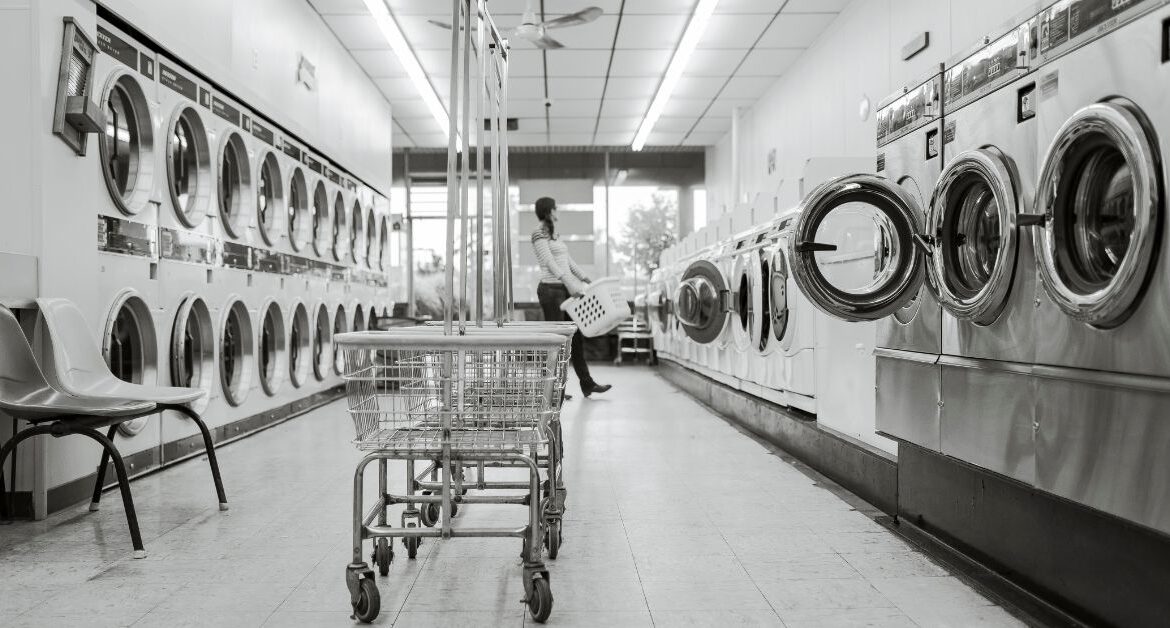
Designing an efficient commercial laundry area is a more complex task than just putting a few washers and dryers in a room. Whether you are outfitting a facility for a hotel, hospital, gym, salon or starting up an independent laundry service, the decisions you make in terms of layout and equipment will affect productivity, energy bills, employee safety and customer satisfaction. The laundry area design you choose has an impact on how many linens or uniforms you can process within a given time, the cost of operations and overall customer satisfaction.
A properly planned and well designed commercial laundry area allows you to optimize productivity, reduce or eliminate bottlenecks in your operations, and avoid unnecessary costs. In this detailed guide, we will cover the ins and outs of laundry area design from space planning, equipment selection, workflow optimization, and more. Whether you are building a new facility or renovating an existing space, these tips will guide you in setting up a laundry operation that runs smoothly and is profitable..
Understanding Commercial Laundry Requirements
Designing a commercial laundry involves considerations different from those of a residential laundry. Commercial laundries have to deal with a much higher volume of laundry, which means hundreds of pounds of clothing, towels, sheets, and other textiles processed each day. This requires industrial-strength machines and strategic planning for space and workflow.
Commercial laundry can be found in a variety of sectors including hospitality, healthcare, fitness centers, salons, restaurants, student housing, and paying guest accommodations, among others. For example, hotels require large-scale washing of linens and towels with a quick turnaround time. Hospitals have specific needs for sanitization, while fitness centers have to deal with heavily soiled athletic apparel.
All of these factors must be considered in the design of a commercial laundry to ensure it meets the specific needs of the business it serves, while also being efficient and flexible enough to handle varying demands. Proper planning is essential before setting up a commercial laundry, as jumping right into buying machines without considering space limitations, utility needs, and workflow can lead to expensive errors and inefficiencies.
Spatial Planning and Layout Fundamentals
Determining Space Requirements
The size of your commercial laundry area depends on several factors: daily laundry volume, types of items processed, equipment capacity, and desired turnaround time. As a general guideline, plan for approximately 8-10 square feet per pound of laundry processed per hour. For example, if you’re processing 100 pounds per hour, you’ll need roughly 800-1,000 square feet of operational space.
However, this is just the processing area. You’ll also need additional space for:
- Receiving and sorting zones
- Storage for clean and soiled linens
- Folding and finishing areas
- Equipment maintenance access
- Staff break areas
- Chemical and supply storage
Ceiling height is equally important. Commercial laundry equipment, particularly large dryers and overhead ducting systems, requires adequate vertical clearance. Plan for minimum ceiling heights of 10-12 feet in processing areas, with higher clearances (14-16 feet) if you’re installing overhead conveyors or hanging systems.
Workflow Optimization Through Zoning
Efficient commercial laundry design follows a linear workflow principle, moving items from soiled to clean without cross-contamination. The ideal layout divides the facility into distinct zones:
- Soiled Linen Zone: This is where dirty laundry enters the facility. Design this area with adequate sorting tables, bins for different fabric types, and easy access for collection staff. Ensure this zone is separate from clean areas to prevent cross-contamination. Proper ventilation is crucial here as soiled linens can generate odors and airborne contaminants.
- Washing Zone: Position washing machines in a logical sequence that allows smooth material flow. Consider installing machines in rows with adequate spacing (typically 36-48 inches) between units for maintenance access. Group machines by capacity or function if you’re processing different types of loads simultaneously.
- Drying and Finishing Zone: Place dryers adjacent to washers to minimize transfer time and labor. Include dedicated spaces for ironing, pressing, or folding based on your service offerings. This zone should have excellent ventilation to manage heat and humidity from drying operations.
- Clean Linen Zone: The final area where processed items are folded, packed, and stored for distribution. This zone should be climate-controlled to prevent moisture absorption and maintain freshness. Implement shelving systems that allow easy organization by client, item type, or delivery schedule.
- Circulation Paths: Design wide aisles (minimum 4-5 feet) that allow easy movement of laundry carts and equipment. Consider how staff will move through the space during peak operations and ensure there are no bottlenecks or hazardous crossing points.
Essential Equipment Selection
Choosing the right equipment is perhaps the most critical decision in commercial laundry design. The wrong choices can lead to operational inefficiencies, excessive utility costs, and frequent breakdowns.
High-Capacity Washers
Commercial washers come in various configurations:
- Front-load washers: Most common in commercial settings, offering superior water and energy efficiency. Available in capacities from 20 to 400+ pounds.
- Top-load washers: Less common commercially but useful for specific applications requiring mid-cycle loading.
- Tunnel washers: Continuous-batch systems ideal for high-volume operations processing 1,000+ pounds per hour.
- Washer-extractors: Combine washing and high-speed extraction, reducing drying time and energy costs.
When selecting washers, consider:
- Daily volume requirements and peak load periods
- Water and energy efficiency ratings (G-force extraction capability directly impacts drying costs)
- Programmability for different fabric types and soil levels
- Durability and expected lifespan (commercial machines should last 10-15 years)
- Service availability and parts accessibility in your region
Industrial Dryers
Commercial dryers must match washer capacity to prevent bottlenecks. Key considerations include:
- Fuel type: Gas dryers are typically more economical to operate than electric models, though initial installation costs may be higher.
- Airflow design: Proper ducting and ventilation prevent heat buildup and improve efficiency.
- Temperature controls: Multiple heat settings protect delicate fabrics while maximizing throughput for towels and linens.
- Moisture sensors: Prevent over-drying, reducing energy waste and fabric wear.
Standard commercial dryers range from 30 to 170 pounds capacity. For high-volume operations, consider installing multiple medium-capacity dryers rather than fewer large units, providing operational flexibility and backup capacity if equipment fails.
Specialized Equipment
Depending on your service offerings, you may need:
- Hydro extractors: Remove excess water after washing, significantly reducing drying time and costs.
- Flatwork ironers: Essential for hotels and hospitals processing large volumes of sheets and tablecloths.
- Folding machines: Automate the labor-intensive folding process for towels and linens.
- Garment finishing equipment: Pressing machines, steam stations, and spotting boards for higher-end services.
- Conveyor systems: Improve material handling in larger facilities, reducing labor and improving throughput.
Energy and Water Efficiency Technologies
Modern commercial laundry equipment offers numerous efficiency features that reduce operational costs:
- Ozone systems: Reduce hot water requirements and improve sanitization
- Water recycling systems: Capture and filter wash water for reuse
- Variable frequency drives: Optimize motor speeds based on load size
- Heat recovery systems: Capture waste heat from dryers to preheat incoming water
While these technologies increase upfront costs, they typically pay for themselves within 2-4 years through utility savings. Calculate your facility’s expected annual water and energy consumption to determine which efficiency investments make financial sense.
Utility Infrastructure Requirements
Commercial laundry operations place significant demands on building utilities. Inadequate infrastructure planning leads to operational limitations and potential safety hazards.
Water Supply and Drainage
Commercial washers require substantial water volume and pressure. Most facilities need:
- Water supply: 3/4-inch to 1.5-inch supply lines depending on equipment capacity, with pressure of 40-60 PSI
- Hot water capacity: Tankless or large-capacity (100+ gallon) water heaters to supply multiple machines simultaneously
- Drainage: 2-4 inch drain lines with adequate slope (1/4 inch per foot minimum) to handle high-volume discharge
- Backflow prevention: Required by most building codes to prevent contamination of municipal water supplies
Consider installing a water softening system if your area has hard water, as mineral buildup accelerates equipment wear and reduces cleaning effectiveness. Water filtration also protects sensitive equipment components and improves wash quality.
Electrical Systems
Commercial laundry equipment draws substantial electrical power. Requirements include:
- Service capacity: Most commercial facilities need 200-600 amp electrical service
- Dedicated circuits: Each major appliance requires its own appropriately sized circuit
- Three-phase power: Larger equipment (50+ pound capacity) typically requires 208V or 480V three-phase power
- GFCI protection: Ground fault circuit interrupters required in wet areas for safety
Work with a licensed electrician familiar with commercial laundry installations to ensure your electrical system meets code requirements and provides adequate capacity for current and future equipment needs.
Gas Service (if applicable)
Gas-fired dryers and water heaters require:
- Adequate supply pressure: Typically 5-7 inches water column
- Proper sizing: 1/2-inch to 2-inch gas lines depending on BTU requirements
- Ventilation: Natural gas combustion requires make-up air and proper exhaust systems
- Safety shut-offs: Emergency gas shut-off valves accessible near equipment
HVAC and Ventilation
Proper ventilation is critical for commercial laundries, which generate significant heat, humidity, and potentially harmful vapors from chemicals. Design considerations include:
- Exhaust systems: Remove heat, moisture, and lint from dryers (typically 150-300 CFM per dryer)
- Make-up air: Replace exhausted air to prevent negative pressure and improve equipment efficiency
- Temperature control: Maintain comfortable working temperatures (68-75°F) despite heat-generating equipment
- Humidity management: Target 40-60% relative humidity to prevent mold growth and maintain fabric quality
- Air changes: Minimum 4-6 air changes per hour in processing areas, higher in soiled linen zones
Don’t underestimate ventilation costs—proper HVAC systems can account for 15-25% of total facility build-out expenses but are essential for worker comfort, safety, and equipment longevity.
Workflow Efficiency and Process Optimization
Even with perfect equipment and layout, operational efficiency depends on well-designed processes and workflow management.
Material Handling Systems
Minimize manual handling to reduce labor costs and physical strain on workers:
- Sorting systems: Use color-coded bins, rolling carts, and sorting tables at appropriate heights (36-42 inches)
- Transport carts: Heavy-duty canvas carts with smooth-rolling casters sized to match equipment capacity
- Conveyors: For high-volume operations, overhead or floor-level conveyors move items between zones
- Vertical lift systems: Multi-story facilities benefit from lifts or chutes to move laundry between floors
The goal is to minimize the number of times items are handled manually. Each unnecessary touch point increases labor costs and processing time.
Quality Assurance Protocols
Implement systematic quality checks at key process points:
- Intake inspection: Identify damaged items, stains requiring pre-treatment, and items requiring special care
- Post-wash inspection: Verify cleaning effectiveness before moving items to drying
- Finishing inspection: Check for proper folding, packaging, and client-specific requirements
- Final audit: Random sampling of completed orders to ensure consistency
Document quality standards and train staff on inspection procedures. Consistent quality builds client trust and reduces costly re-processing of improperly cleaned items.
Operational Guidance and Training
Staff efficiency directly impacts facility productivity. Essential training areas include:
- Equipment operation: Proper loading, program selection, and troubleshooting
- Chemical handling: Safe mixing, application, and storage of detergents and bleaches
- Sorting procedures: Fabric types, color separation, and special handling requirements
- Safety protocols: Lockout/tagout procedures, chemical exposure response, and ergonomic practices
- Customer service: Communication skills for client-facing staff in full-service operations
Regular refresher training and clear standard operating procedures ensure consistent performance and minimize operational errors.
Safety and Compliance Considerations
Commercial laundry operations face numerous safety and regulatory requirements that must be addressed during facility design.
Fire Safety
Laundries handle flammable materials and heat-generating equipment, creating fire risks. Essential safety measures include:
- Fire suppression systems: Automatic sprinklers rated for commercial applications
- Fire extinguishers: Class ABC extinguishers strategically located (maximum 75 feet travel distance to nearest unit)
- Lint management: Regular cleaning of dryer lint traps and exhaust ducts (lint buildup is a major fire hazard)
- Emergency exits: Clearly marked exits meeting local building codes
- Electrical safety: Properly grounded equipment and regular inspection of electrical systems
Chemical Storage and Handling
Commercial laundry chemicals can be hazardous if improperly stored or handled:
- Dedicated storage area: Separate, ventilated room with appropriate containment for spills
- Safety Data Sheets (SDS): Maintain current SDS for all chemicals and ensure staff access
- Personal protective equipment: Provide gloves, eye protection, and aprons for staff handling chemicals
- Proper labeling: Clearly identify all chemical containers and dilution ratios
- Ventilation: Chemical storage areas need dedicated exhaust ventilation
Worker Safety and Ergonomics
Commercial laundry work involves repetitive motions, heavy lifting, and exposure to heat and moisture. Protect workers through:
- Ergonomic design: Equipment at appropriate heights, anti-fatigue mats, and adjustable work surfaces
- Mechanical assists: Carts, dollies, and lifting aids for moving heavy loads
- Personal protective equipment: Heat-resistant gloves, slip-resistant footwear, and hearing protection where needed
- Climate control: Adequate cooling in hot work areas and proper ventilation
- Training: Proper lifting techniques and body mechanics to prevent injury
Cost Considerations and Budget Planning
Understanding the financial requirements of commercial laundry facility development helps ensure adequate capitalization and realistic business planning.
Equipment Costs
Equipment typically represents 40-50% of total facility costs:
- Washers: $3,000-$30,000+ per unit depending on capacity and features
- Dryers: $2,500-$20,000+ per unit
- Finishing equipment: $5,000-$50,000+ for ironers, folders, and pressing equipment
- Material handling: $2,000-$15,000 for carts, conveyors, and storage systems
- Water treatment: $5,000-$25,000 for softening and filtration systems
Facility Buildout
Construction and installation costs vary widely based on existing conditions:
- Electrical upgrades: $10,000-$50,000+ for service upgrades and equipment circuits
- Plumbing work: $5,000-$30,000+ for water supply, drainage, and gas lines
- HVAC systems: $15,000-$75,000+ depending on facility size and requirements
- Structural modifications: $5,000-$100,000+ for flooring, walls, and drainage
- Permits and inspections: $2,000-$10,000 depending on locality
Operational Costs
Budget for ongoing expenses including:
- Utilities: Water, electricity, and gas typically represent 10-15% of revenue
- Chemicals and supplies: 3-5% of revenue for detergents, bleaches, and consumables
- Labor: Usually 30-40% of revenue, the largest operational expense
- Maintenance: 2-5% of equipment value annually for repairs and preventive maintenance
- Insurance: Property, liability, and worker’s compensation coverage
Technology Integration and Automation
Modern commercial laundries increasingly leverage technology to improve efficiency, reduce costs, and enhance customer service.
Management Software
Invest in commercial laundry management software that provides:
- Order tracking: Monitor each order from intake through completion and delivery
- Customer management: Maintain detailed client records, preferences, and pricing
- Route optimization: Plan efficient pickup and delivery routes for mobile services
- Inventory control: Track chemical and supply usage to optimize purchasing
- Reporting and analytics: Understand productivity metrics, revenue trends, and operational bottlenecks
Quality management software pays for itself through improved operational visibility and reduced administrative labor.
Equipment Monitoring
Smart equipment with remote monitoring capabilities provides:
- Real-time status: Know which machines are available, in use, or experiencing problems
- Predictive maintenance: Identify potential equipment failures before they cause downtime
- Usage optimization: Understand utilization patterns to maximize equipment ROI
- Energy management: Track consumption patterns and identify efficiency opportunities
While adding upfront costs, equipment monitoring significantly reduces downtime and maintenance expenses over the equipment lifecycle.
Payment Systems
For self-service or hybrid laundry operations:
- Cashless payment: Card readers, mobile payment apps, and loyalty programs
- Remote monitoring: Track revenue and usage without physical collection
- Dynamic pricing: Adjust pricing based on demand to optimize capacity utilization
Modern payment systems improve customer convenience while reducing cash handling labor and security concerns.
Sustainable Design Practices
Environmental responsibility increasingly influences commercial laundry design, driven by both regulatory requirements and customer preferences.
Water Conservation
Implement strategies to reduce water consumption:
- High-efficiency equipment: Modern washers use 50-70% less water than older models
- Water recycling: Systems that filter and reuse rinse water can reduce consumption by 30-40%
- Proper loading: Train staff on optimal load sizes to prevent water waste
- Regular maintenance: Fix leaks promptly and maintain equipment seals and valves
Water conservation directly reduces utility costs while supporting environmental goals.
Energy Efficiency
Reduce energy consumption through:
- Cold-water washing: Modern detergents clean effectively at lower temperatures
- Heat recovery: Capture dryer exhaust heat to preheat water or space heating
- LED lighting: Replace traditional lighting with energy-efficient LEDs
- Solar thermal: Use solar collectors for water heating in suitable climates
- Time-of-use strategies: Schedule heavy loads during off-peak electricity rate periods
Energy-efficient operations reduce both costs and environmental impact, creating a competitive advantage as sustainability becomes increasingly important to customers.
Chemical Management
Minimize environmental impact of laundry chemicals:
- Proper dosing: Automated dispensing systems prevent overuse and ensure consistency
- Eco-friendly products: Choose biodegradable, phosphate-free detergents when possible
- Wastewater treatment: Consider on-site treatment systems for high-volume operations in sensitive locations
- Concentrated formulations: Reduce packaging waste and transportation costs
How LaundroMentor Supports Your Commercial Laundry Journey
Designing, setting up and operating a professional, profitable commercial laundry is no simple task. There are significant challenges in many areas including real estate; equipment purchasing; operating systems and procedures; regulatory compliance; and accounting and financial management. For those new to the industry, the learning curve can be steep and mistakes can be expensive.
LaundroMentor is here to guide and provide systems to help unorganized and small store-owners operate professional commercial laundries. LaundroMentor is not a franchise, it is a structured mentorship program that helps independent laundry business owners have the knowledge, systems and tools that are often only available to big chain laundries.
Whether you are just designing your facility layout and equipment list, based on your volume projections, or have an existing operation and need assistance with developing operating procedures and need guidance with speed and efficiency issues, the experienced guidance of LaundroMentor will help avoid the mistakes and the trial-and-error, so you can focus on best practices from day one. It is even more important for the unorganized sector and sole store owners in the Indian market as commercial laundry business practices are not as systematized as in mature laundry markets.
Conclusion
Planning and building a commercial laundry space involves several important factors. These include space allocation, equipment selection, utility requirements, workflow optimization, adherence to safety regulations and codes, and a defined budget. For a long-term successful laundry service, it is best to develop a harmonious system where the physical layout, operational processes, and technology all work seamlessly to achieve maximum productivity and high-quality output.
Planning and building a laundry operation should be well thought out by considering your specific market, capacity needs and operational details as these will greatly impact your operational efficiency and ultimately the profitability of your laundry. With the right guidance and support you will be able to avoid any major and costly missteps and will be well on your way to building a sustainable and profitable laundry service.
Frequently Asked Questions
Should I buy new or used commercial laundry equipment?
New equipment costs more but offers warranties, better efficiency, and predictable life. Used equipment is cheaper but riskier, so buy only from reputable dealers and prefer new machines for core equipment like washers and dryers.
How much should I budget for utilities in a commercial laundry?
Utilities usually account for around 10–15% of revenue. As a guideline, plan for approximately $0.15–$0.25 per pound of laundry processed and monitor your cost per pound regularly.
What permits and licenses are required for a commercial laundry business?
You typically need business registration, trade license, fire safety clearance, occupancy certificate, wastewater and GST registrations, and relevant municipal permits. Additional approvals may apply for healthcare linens or chemical use, so always verify local regulations in advance.
How can I differentiate my commercial laundry service in a competitive market?
Differentiate through superior quality, faster turnaround, flexible scheduling, eco-friendly options, transparent pricing, and strong customer service. Target niche segments (e.g., boutique hotels, gyms, salons) and build a reputation for reliability and consistent standards.

Aman Sawaran is a leading laundry business consultant who has personally guided over a hundred laundromat owners to success. With years of hands-on experience in the laundry industry, Aman specializes in helping entrepreneurs build and scale profitable laundromats and pick-up & delivery laundry businesses. His step-by-step consulting program covers everything from selecting the ideal distributor and perfect location to securing financing and launching a state-of-the-art laundromat within just 3 to 6 months. Ready to transform your laundry business idea into a thriving venture? Aman can show you how to launch, scale, and maximize your profits with proven strategies and expert guidance.


