
Did you know that hospitals deal with a major risk that goes unnoticed by most? When we talk about biomedical waste management, we often neglect dirty laundry. Used linens, surgical caps and gowns, patient gowns, and even hospital staff uniforms can be hotbeds for bacteria and viruses if not handled properly. That’s why proper management of laundry in healthcare settings is a crucial aspect of biomedical waste management.
Medical laundry management is no joke. One slip-up in the process and you could be sending infectious hospital laundry back to unknowing patients. These vulnerable patients could develop harmful HAIs as a result of contaminated laundry touching their skin. That’s why it’s critical to understand how laundry relates to biomedical waste management.
Understanding Biomedical Waste in Healthcare Laundry
Typically, biomedical laundry waste includes any linen contaminated with blood, body fluids or known infectious agents or hazardous chemicals. Processing requirements for biomedical waste are entirely different from other types of laundry waste. Body fluids alone can contain dangerous pathogens and hospital linens should be handled accordingly. Items are separated into varying risk categories before being transported to off-site locations to be professionally cleaned.
Examples of high-risk textiles include patient bed linens from isolation rooms, operating room drapes and sheets contaminated with blood/body fluids. Medium-risk linens include patient bed linens and towels from non-isolation rooms. Items like staff uniforms used in non-patient-care areas are considered low-risk. It is important to note that each of these categories have specific regulations regarding employee handling practices and required machine temperatures during processing.
One challenge many hospitals don’t realize they face when sorting through biomedical laundry regulations is the sheer volume of linen processed every day. Most full-service hospitals with around 200 beds can accumulate 1,800 to 2,000 kilograms of dirty linen per day.
Segregation: The Foundation of Effective Laundry Management
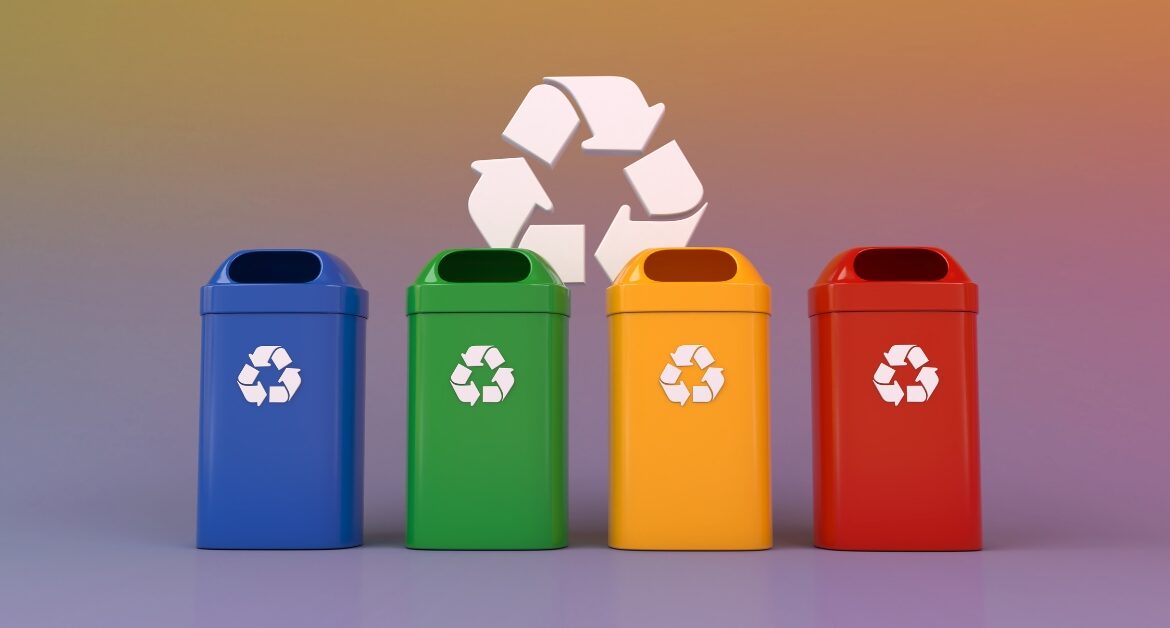
Segregation should start from the point of generation. Immediately after use, healthcare staff involved should identify items that are contaminated and those that are not. Failure to segregate at this stage will lead to cross contamination of materials meant for washing and delay in laundry collection. Colour coding is now recognized globally as the international standard for healthcare laundry bags; Red bags are used for infectious linens while yellow bags are for linens soiled with body fluids. White or clear bags are for regular laundry.
Ensure segregation is being done correctly; staff need to be trained to check all laundry for sharps / medical devices /foreign objects before bagging. Staff then need to place these items into the correct bag. Remember laundry workers are injured on a daily basis from sharps that have been mixed with dirty laundry!
Clean and soiled linen should be stored separately. Soiled linen should be kept in well ventilated areas, away from clean linen storage areas. Signs should be displayed clearly and access to storage areas by staff and the public should be limited. Laundry should not be kept for more than 24-48 hours as bacteria will multiply rapidly, causing odours.
Many hospitals complain they have no space for dirty linen storage. If that is the case you will just need to be creative in finding space. However do not risk human health by improper storage.
Transportation and Handling Protocols
Moving contaminated laundry from patient care areas to the laundry facility requires careful planning and execution. Transportation should occur in closed, leak-proof containers or bags that prevent contamination of corridors, elevators, and other hospital areas. Dedicated trolleys marked specifically for soiled linen ensure that clean and dirty items never share the same transport equipment.
Key transportation guidelines include:
- Using covered trolleys with smooth, easy-to-clean surfaces that prevent leakage
- Establishing dedicated routes and timings to minimize exposure to patients and visitors
- Never overfilling bags or containers beyond 75% capacity to prevent tearing or spillage
- Implementing a documented schedule for collection and transportation
- Ensuring transporters wear appropriate personal protective equipment including gloves, masks, and protective clothing
- Maintaining separate elevators or designated time slots for soiled linen movement when possible
- Disinfecting transport containers and trolleys after each use with hospital-grade disinfectants
Healthcare facilities that have implemented structured transportation protocols report significant reductions in infection rates and staff exposure incidents. For smaller healthcare setups struggling to establish these systems, guidance from experienced consultants becomes invaluable. LaundroMentor has observed that many independent healthcare facilities lack the organizational frameworks that larger hospital chains take for granted, making professional support essential for implementing world-class practices.
Washing and Disinfection Standards
An effective washing process ensures there is a distinct separation between dirty, contaminated textiles and clean, sanitized linens that are safe for patients. The goal of healthcare laundry procedures is to clean and disinfect textiles used in healthcare settings. This means effectively removing visible soil and organic material and killing potentially infectious microorganisms. Temperature is the most dependable way to disinfect linens.
Linens must be washed at a temperature of 71°C (160°F) or greater for at least 25 minutes or at 65°C (149°F) for at least 10 minutes to be considered thermally disinfected. This standard has been shown to kill most pathogens commonly transmitted in healthcare settings such as MRSA, VRE, and certain viruses. Newer fabrics may not be heat resistant and can break down if washed at high temperatures. In these cases, low temperature wash with added chemical disinfection is possible.
Chlorine bleach or oxygen based bleaching compounds are used to disinfect laundry when washed at low temperatures. Regular use of 50-150 ppm available chlorine is typical. Water used for washing must meet certain requirements as well. Laundry facilities should only use water that falls within set ranges for hardness, pH, and total microorganisms. Using water that is too hard can cause build up and make it difficult for detergents to do their job. Some facilities may need to soften the water.
Essential washing cycle components include:
- Pre-wash flush to remove gross soil and body fluids without spreading contamination
- Main wash with appropriate detergent and temperature for soil removal
- Bleach cycle for disinfection and stain removal
- Multiple rinse cycles to remove all chemical residues
- Final rinse with acidic conditioner to neutralize alkalinity and soften fabrics
- High-speed extract to reduce moisture content before drying
Personal Protective Equipment and Staff Safety
Employees in healthcare laundry departments are exposed to many of the same safety risks that clinical workers face. Planning for safety must include laundry workers as well. They are exposed to infectious materials, sharps, and chemicals. When working with dirty linen and laundry, employees must wear appropriate personal protective equipment (PPE).
At a minimum, laundry workers should wear puncture resistant gloves, fluid-resistant gown or apron, eye protection, and a respiratory protector when handling extremely soiled items. PPE should be accessible, fit each employee properly, and be replaced as recommended by the manufacturer.
Training on PPE is important, but employees should also be trained on how infections spread, proper removal of PPE, handwashing procedures, and what to do if they are exposed to blood or other potentially infectious materials. Training should be repeated regularly to keep safety fresh in employees’ minds.
Employees should be monitored for TB exposure by annually being offered TB skin tests and having any exposure incidents examined by a healthcare professional right away. Employees should receive the hepatitis B vaccine series. When workers know they will not be blamed for exposing themselves because they missed a step, they will be more likely to report it immediately, and allow for quick treatment to prevent disease.
Quality Control and Monitoring Systems
Excellence in healthcare laundry management requires robust quality control systems that verify processes are working as intended. Visual inspection catches obvious problems like stains or residual soil, but microbiological testing provides the definitive assessment of hygiene standards.
Regular microbiological testing of clean linen should show bacterial counts below 10 colony-forming units per square inch. Higher counts indicate process failures requiring immediate investigation and correction. Testing should include both routine surveillance samples and targeted testing when infection outbreaks occur or new processes are implemented.
For healthcare facilities looking to modernize their laundry operations, implementing comprehensive quality systems can seem overwhelming. LaundroMentor works with healthcare providers to establish practical, scalable systems that match their operational capacity while meeting regulatory requirements. The knowledge transfer approach ensures that facilities develop internal capabilities rather than remaining dependent on external consultants indefinitely.
Drying, Finishing, and Storage of Clean Linen
The journey from contaminated to patient-ready linen continues through drying and finishing processes that must maintain the hygiene achieved during washing. Drying at temperatures above 65°C for appropriate durations provides additional microbial reduction while preparing textiles for finishing.
Industrial dryers designed for healthcare applications include features that prevent recontamination. Sealed designs prevent dust and environmental contaminants from entering, while proper exhaust systems prevent moisture buildup that could promote bacterial growth. Regular lint trap cleaning maintains efficiency and prevents fire hazards.
Finishing processes including ironing, folding, and packaging must occur in physically separated clean areas with positive air pressure to prevent contamination from soiled linen processing zones. Staff working in clean areas should not move back and forth between soiled and clean zones without changing PPE and following hand hygiene protocols.
Clean linen storage best practices include:
- Climate-controlled environments maintaining temperatures below 22°C and relative humidity below 70%
- Closed cabinets or covered shelving protecting linens from dust and environmental contamination
- First-in-first-out rotation systems preventing prolonged storage
- Separate storage for different linen types facilitating efficient distribution
- Regular inventory management preventing overstocking and waste
- Clear labeling indicating linen type, size, and processing date
Clean linen distribution systems should maintain the integrity established through careful processing. Transport carts designated exclusively for clean items, protective covers during movement, and documented distribution records complete the cycle of safety from soiled collection through delivery of clean supplies.
Environmental Considerations and Sustainability
Modern healthcare laundry management must balance infection control requirements with environmental responsibility. The traditional approach of using maximum temperatures, extended wash cycles, and aggressive chemicals carries significant environmental costs through energy consumption, water usage, and chemical discharge.
Innovative approaches demonstrate that environmental sustainability and infection control can coexist. High-efficiency washing machines reduce water consumption by up to 60% compared to older models while maintaining or improving hygiene outcomes. Waste heat recovery systems capture thermal energy from dryer exhaust and wash water, reducing overall energy requirements.
Textile lifecycle management considers the environmental impact from manufacturing through disposal. Healthcare facilities increasingly specify textiles designed for extended lifespans, reducing replacement frequency and associated waste. When textiles reach end-of-life, recycling programs divert materials from landfills, converting them into industrial wiping cloths, insulation materials, or raw materials for new textile production.
Water treatment systems process laundry wastewater before discharge, removing contaminants and reducing the environmental burden on municipal water treatment facilities. Some advanced facilities even implement water recycling systems that treat and reuse wash water, dramatically reducing overall water consumption.
Regulatory Compliance and Accreditation Standards
Healthcare laundry operations must navigate a complex regulatory landscape encompassing national standards, state regulations, and international guidelines. In India, the Biomedical Waste Management Rules establish baseline requirements for handling contaminated textiles within the broader framework of healthcare waste management.
Accreditation bodies including the National Accreditation Board for Hospitals and Healthcare Providers (NABH) set specific standards for laundry services. Meeting these standards requires documented policies, trained personnel, validated processes, and regular monitoring—elements that separate professional operations from informal approaches.
International standards like those published by the Healthcare Laundry Accreditation Council (HLAC) provide benchmarks that sophisticated healthcare facilities strive to achieve. While not mandatory in India, these standards represent global best practices and help facilities prepare for international patient markets and partnerships.
Regulatory compliance extends beyond initial setup to ongoing maintenance of standards. Regular internal audits identify gaps before they become violations, while external inspections by regulatory authorities or accreditation surveyors provide independent verification of compliance.
Building Capacity in Indian Healthcare Laundry Operations
The Indian healthcare landscape includes major corporate hospital chains with state-of-the-art facilities alongside thousands of smaller hospitals, nursing homes, and clinics struggling with basic laundry management. This disparity creates a significant opportunity for knowledge transfer and capacity building.
Many smaller healthcare facilities operate their laundry services informally, lacking proper segregation systems, temperature monitoring, or staff training. These gaps don’t stem from lack of commitment but from limited access to expertise and structured implementation support. The challenges multiply for facilities in tier-2 and tier-3 cities where professional laundry consultants rarely operate.
Organizations like LaundroMentor recognize that sustainable improvement requires more than one-time training or equipment sales. By providing structured guidance, practical tools, and ongoing support, they help smaller healthcare providers implement systems that previously seemed accessible only to large hospital chains. This approach of building internal capabilities rather than creating dependency on external services proves particularly valuable for facilities with limited budgets but strong commitment to patient safety.
The transformation journey typically begins with assessment of current practices, identification of critical gaps, and development of a phased implementation plan matching the facility’s resources. Simple interventions like color-coded bags, basic temperature monitoring, and structured staff training often yield dramatic improvements in safety and efficiency.
Looking Ahead: Future Trends in Healthcare Laundry Management
Continuous advancements in technology as well as regulations keep the healthcare laundry landscape changing. Here are some changes that will impact the industry in the future:
Textiles infused with antimicrobial agents like silver ions, copper or other compounds that prevent bacterial growth are being developed. They are not meant to be an alternative to proper processing but can provide an additional layer of safety. Items such as bed rails and privacy curtains that see frequent contact with patients and staff can benefit from antimicrobial processing.
Machine learning and AI-based software can help manage laundry more effectively by analyzing data to recognize patterns and predict future outcomes. They can help pinpoint areas for improvement, anticipate problems in quality control and even learn from results to enhance processes.
Sustainability will become an even bigger focus as consumers and governments demand more eco-friendly practices. Healthcare facilities will have to find a balance between doing their part for the environment and following guidelines for infection control. Technology that allows for low-temperature disinfection, water reclamation and uses renewable energy are some examples of where the industry can go.
Cooperative laundry services where multiple hospitals and healthcare providers use the same facility for their laundry needs is another trend. It allows for large scale operations that are professionally managed. This is popular in many countries and will likely become more prevalent in India as cost pressures increase and the demand for quality soars.
Frequently Asked Questions
How should contaminated linen from isolation patients be handled differently?
Isolation linen requires bagging at the point of use in clearly marked, leak-proof bags without sorting. It should be transported and stored separately from general linen until washing. While washing parameters remain the same, the additional precautions prevent environmental contamination during collection and transport.
Can healthcare facilities outsource their laundry services safely?
Yes, healthcare facilities can outsource to commercial laundries that specialize in healthcare textiles and maintain appropriate certifications. Service agreements must specify processing standards, quality monitoring, and contingency plans. Regular audits ensure the vendor maintains required standards consistently.
How often should washing machines in healthcare laundries be cleaned and maintained?
Washing machines require daily cleaning of lint filters and door seals, weekly sanitization cycles with machine cleaner or bleach solution, and monthly inspection of hoses and connections. Professional maintenance should occur quarterly or per manufacturer recommendations, with immediate attention to any performance issues.
What training do laundry staff in healthcare facilities need?
Healthcare laundry staff need training in infection control principles, proper use of personal protective equipment, segregation and handling of contaminated textiles, operation of washing equipment, quality standards, emergency procedures, and occupational safety. Initial training should be comprehensive with regular refresher sessions every six months.


