

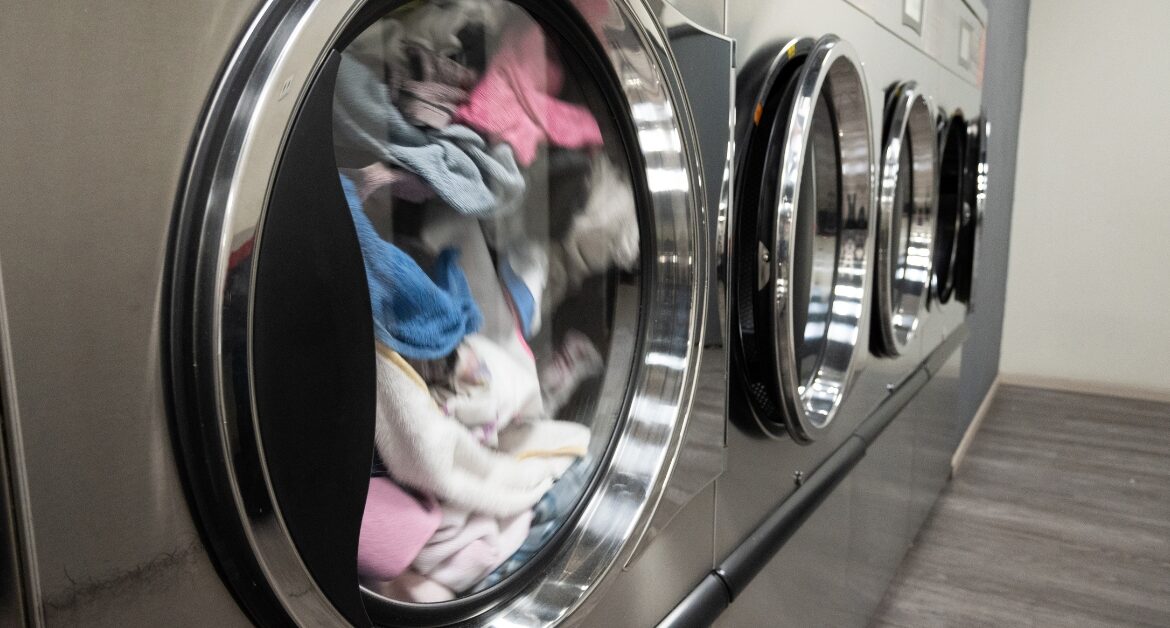
Starting a laundry service on campus is easily one of the best business opportunities going right now in the education industry. Thousands of students live on or near campus away from their parents and they need clean clothes just like everyone else.
But how do you turn a student’s needs into big profits? What kind of equipment will you need? How much can it cost to operate? If you’re a business person looking to get into the student market or a college administrator looking for options, here is a guide to starting a laundry facility on campus.
Understanding the Campus Laundry Market Opportunity
Laundry services on campus have changed drastically over the last decade. Today’s students demand convenience and are spending money on services that provide it to them. On campus you have the convenience of a captive market with predictable laundry frequencies and year round demand vs a traditional laundromat.
The average college student does laundry every 7-10 days. With hostel occupancy as high as 80-90% during peak seasons the equation for a successful laundry business on campus is quite simple. Do your research about who your customers will be, what competition you will face, and what laundry needs the students at your target campus have.
Essential Equipment for Campus Laundry Services
Selecting the right equipment forms the backbone of your laundry operation. Your choices here will impact everything from operating costs to service quality and customer satisfaction.
Commercial Washing Machines
Commercial washers designed for high-volume operations differ substantially from residential models. For a campus setup, you’ll want machines that can handle 15-30 kg loads, depending on your expected daily volume. Front-loading commercial washers offer better efficiency and gentler fabric care, though they come at a higher initial cost. Top-loading machines are more affordable upfront but typically consume more water and energy.
When calculating requirements, estimate that each machine can handle 4-6 loads per day during peak operations. For a hostel serving 200 students, you’d likely need 4-6 commercial washing machines to maintain reasonable turnaround times without overwhelming your capacity during weekends.
Commercial Dryers
Dryers represent a significant portion of both your capital investment and ongoing operational costs. Gas dryers offer lower operating costs compared to electric models, but require proper ventilation and gas line installation. Electric dryers provide easier installation and maintenance but result in higher utility bills.
The general rule is to maintain a 1:1 ratio of washers to dryers, though some operators prefer a 2:3 ratio to account for longer drying cycles. Industrial dryers should have moisture sensors to prevent over-drying and reduce energy consumption.
Supporting Equipment and Infrastructure
Beyond washers and dryers, successful campus laundry services require several supporting elements:
- Water treatment systems: To handle hard water and protect equipment longevity
- Detergent dispensing systems: Automated systems ensure consistent quality and reduce waste
- Folding tables and sorting stations: Essential for full-service operations
- Delivery carts or trolleys: For pickup and delivery services
- POS and management software: To track orders, payments, and inventory
- Storage racks and shelving: For organized garment management
Breaking Down the Investment: Startup and Operating Costs
Understanding the complete cost structure helps you plan financially and set realistic revenue targets.
Initial Capital Investment
The startup costs for a campus laundry service typically range from ₹12 lakhs to ₹35 lakhs, depending on your scale and service model. Here’s how these costs typically break down:
- Equipment costs usually represent 50-60% of your initial investment. Commercial washers range from ₹1.5 lakhs to ₹4 lakhs per unit, while commercial dryers cost between ₹1.2 lakhs to ₹3.5 lakhs each. When purchasing equipment, considering both immediate needs and growth capacity, it’s often more cost-effective to invest in slightly larger capacity upfront than to replace equipment within two years.
- Infrastructure and renovation costs vary significantly based on your location. You’ll need adequate plumbing, electrical connections capable of handling high-voltage equipment, proper drainage systems, and ventilation. Budget ₹3-6 lakhs for basic infrastructure setup in a typical 800-1200 square foot space.
- Technology and systems including POS software, tracking systems, and potentially a mobile app for student convenience can cost ₹80,000 to ₹2.5 lakhs initially. This investment pays dividends through operational efficiency and customer experience enhancement.
- Working capital for the first 3-4 months should cover detergents, staff salaries, utilities, and unexpected expenses. Keep ₹2-4 lakhs aside as a financial cushion during the initial ramp-up period.
Ongoing Monthly Operational Expenses
Monthly operating costs for a mid-sized campus laundry service typically include:
- Utilities (electricity, water, gas): ₹35,000-₹70,000
- Staff salaries: ₹40,000-₹1,20,000 depending on team size
- Detergents and chemicals: ₹15,000-₹30,000
- Maintenance and repairs: ₹10,000-₹25,000
- Rent (if applicable): ₹20,000-₹60,000
- Insurance and miscellaneous: ₹8,000-₹15,000
These figures vary based on location, scale of operations, and service pricing, but provide a realistic baseline for financial planning.
Optimizing Your Service Model for Maximum ROI
The profitability of your campus laundry service depends heavily on your operational model and pricing strategy.
Service Models That Work
- Self-service model: Students use coin-operated or card-activated machines independently. This requires minimal staff but generates lower revenue per transaction. Best suited for campuses with budget-conscious students who don’t mind doing their own laundry.
- Full-service model: Your team handles washing, drying, folding, and delivery. This commands premium pricing and builds stronger customer loyalty. The full-service approach typically generates 60-80% higher revenue per customer but requires more staff and operational sophistication.
- Hybrid model: Offering both self-service and full-service options captures different market segments. Many successful operators find that 30-40% of students prefer full-service despite the higher cost, while others appreciate having self-service options during tight budget months.
Revenue Optimization Strategies
Successful campus laundry operations implement several strategies to maximize returns:
- Subscription packages create predictable revenue streams and increase customer lifetime value. Offering monthly unlimited wash plans at ₹800-1200 encourages regular usage and improves cash flow predictability.
- Premium services such as express washing, delicate garment care, shoe cleaning, and dry cleaning add significant profit margins. These specialized services often carry 200-300% higher margins than basic washing.
- Strategic pricing based on garment type, turnaround time, and peak vs. off-peak hours helps balance demand and optimize capacity utilization. Weekend surcharges of 10-15% are common and generally accepted by students.
- Partnership programs with campus administration, parent associations, or local businesses can provide volume guarantees and stable baseline revenue.
Calculating Your Return on Investment
Understanding your ROI timeline helps set realistic expectations and guides strategic decisions.
Revenue Projections
A campus serving 300-400 students with a 60% market penetration rate can generate monthly revenues of ₹2.5-4.5 lakhs, depending on pricing and service mix. Here’s a realistic breakdown:
- Per-student monthly spending averages ₹600-1200 depending on your service model. Students typically generate 4-6 wash loads per month. At ₹150-200 per load for full-service or ₹60-80 for self-service, the numbers add up quickly.
- Break-even timeline for a well-planned operation typically falls between 18-30 months. Factors affecting this timeline include initial investment size, operational efficiency, market penetration rate, and competitive dynamics.
- Mature operation profitability generally ranges from 25-40% EBITDA margins once you’ve achieved efficient operations and strong market penetration. This makes campus laundry one of the more attractive service business models in the education sector.
How LaundroMentor Supports Your Campus Laundry Journey
Opening up a laundry business has never been easy, let alone seen in a crowded market such as a college campus. You’ll need equipment and working capital, sure. But what you really need is experience in running these facilities, knowledge of the industry standards, and support when things don’t go as expected. That’s where LaundroMentor can help.
Laundromentor is a platform that offers guidance and support to those who want to start their own professional laundry businesses in India. You won’t find any heavy-handed subscriptions and forced buy-ins here. Instead, we offer you the knowledge and systems you need to own your laundry business outright.
While LaundroMentor helps small and independent store owners, many of our learners are from campus laundry businesses. Learn how to select the right equipment, how to design your floor for maximum efficiency, how to price your services, and how to manage your customers the right way. Learn from the people who have been there and done that.
Not only will you learn about laundry, but also how to tackle many of the issues that are unique to India. Hard water? Pocket-friendly combos? People who don’t tip? We’ll show you how to handle it all.
Creating Operational Excellence in Your Campus Laundry
Operational efficiency separates profitable campus laundries from those that struggle. Several key areas demand your attention.
Workflow Optimization
Design your space to minimize unnecessary movement and maximize throughput. The ideal layout follows a logical flow: receiving → sorting → washing → drying → folding → quality check → delivery. Each station should have adequate space and necessary supplies within arm’s reach.
Implement batch processing during known peak times (typically weekends and Sunday evenings) to maximize equipment utilization. Off-peak discounts can help smooth demand across the week, reducing stress on equipment and staff during crunch periods.
Quality Control Systems
Consistent quality builds reputation and reduces customer complaints. Establish clear standard operating procedures for:
- Garment sorting by color, fabric type, and washing requirements
- Appropriate detergent and treatment selection
- Water temperature and cycle settings for different fabric types
- Proper folding and packaging standards
- Handling of delicate items and special requests
Regular training ensures staff members understand and consistently apply these standards. Mystery shopper programs or regular quality audits help maintain standards over time.
Technology Integration
Modern campus laundry services benefit immensely from technology adoption. Mobile apps allow students to schedule pickups, track order status, and make payments seamlessly. SMS notifications keep customers informed about order progress, reducing inquiries and improving satisfaction.
RFID tagging systems prevent garment mix-ups in high-volume operations, while inventory management software helps track detergent usage, supplies, and operational costs with precision.
Marketing Your Campus Laundry Service Effectively
Even the best-equipped laundry service needs customers. Effective marketing for campus operations differs significantly from traditional business marketing.
Launch Phase Marketing
Begin marketing before you officially open. Partner with campus administration to introduce your service during orientation programs for new students. Offer trial discounts or first-wash-free promotions to overcome initial resistance and get students through your door.
Building Word-of-Mouth Momentum
Student communities are highly connected, making word-of-mouth your most powerful marketing tool. Exceptional service naturally generates recommendations, but you can accelerate this through referral programs. Offer existing customers credits or discounts for each new customer they bring, creating a viral growth loop.
Retention Strategies That Work
Acquiring a new customer costs significantly more than retaining an existing one. Focus on creating delightful experiences that keep students coming back:
- Reliability: Consistently meeting promised pickup and delivery times builds trust. Even small delays should be communicated proactively.
- Personal touches: Remember regular customers’ preferences, address them by name, and acknowledge loyal patrons with occasional surprises—a free dry clean or express service upgrade goes a long way.
- Responsive service: Quick resolution of complaints and genuine apologies when things go wrong demonstrate your commitment to customer satisfaction.
- Convenient payment options: Students appreciate flexible payment methods including UPI, digital wallets, campus cards, and monthly billing options.
Risk Management and Common Pitfalls to Avoid
Understanding potential challenges helps you prepare solutions before problems escalate.
Equipment-Related Issues
Premature equipment failure represents one of the biggest risks in laundry operations. Prevent this through regular preventive maintenance schedules, water treatment to prevent mineral buildup, proper staff training to avoid operational errors, and maintaining relationships with reliable service technicians.
Managing Seasonal Fluctuations
Campus laundries face significant demand variations between semesters, exam periods, and holidays. Plan for these fluctuations by maintaining adequate working capital reserves for slower periods, developing secondary revenue streams like serving local residents or nearby corporate clients, and cross-training staff to handle multiple roles during lean times.
Handling Customer Complaints
Lost, damaged, or mixed-up garments will occasionally occur despite best efforts. Address these professionally with clear policies communicated upfront, adequate insurance coverage for high-value items, systematic tracking to minimize errors, and fair compensation when mistakes do happen.
Scaling Your Campus Laundry Business
Once you’ve established successful operations at one campus, expansion opportunities emerge.
Multi-Campus Expansion
You can dramatically increase your revenue by replicating your proven model on multiple campuses. Operating multiple locations also provides savings through economies of scale with centralized administration, bulk purchasing and marketing expenses. Begin by replicating in nearby campuses to reduce travel distance and time. LaundroMentor has many proven systems that will help you expand.
Service Line Extensions
Expansion services can include ancillary revenue from services such as dry cleaning contracts, shoe shining/repair, alterations/repair, pick-up/delivery services for off-campus customers and contracts to clean uniforms for university staff.
Each new venture should capitalize on your current business and expand your customer base, while contributing a significant revenue stream without incurring substantial additional expenses.
Sustainability and Environmental Considerations
Modern students increasingly value environmentally responsible businesses. Implement sustainable practices that reduce environmental impact while potentially lowering costs:
- High-efficiency washers and dryers minimize water and energy consumption
- Cold water washing for appropriate garments significantly reduces energy usage
- Eco-friendly detergents appeal to environmentally conscious customers
- Water recycling systems for suitable applications reduce consumption
- Proper chemical disposal protects local ecosystems
Market these environmental initiatives subtly. Students appreciate businesses that act responsibly without being preachy about it.
Conclusion
Running a successful campus laundry operation is simple when you combine entrepreneurial spirit with superb operations and a service-minded mentality. There’s big money in campus laundry—students have readily-available income and a desire for laundry services near campus. If done right, you can earn repeat business and a nice monthly revenue stream. But like any business, you have to plan for it to be successful. Which means doing your research and preparing your business plan for equipment, operating budget, operating systems and marketing.
Still thinking about starting a campus laundry? Or ready to take the next steps towards starting your own business? Don’t forget about LaundroMentor as you learn how to start a laundry. We have built step by step programs and support systems to help you succeed where others fail. We can give you the operational experience and professional tools usually reserved for large chain owners. ?
Where there are students, there is a need for laundry services. Make sure you have a smart game plan before you begin so you can spend your money wisely. Invest in the proper equipment and marketing materials and watch your dream of owning a successful student laundry turn into a profitable reality.
FAQ
What's the average payback period for a campus laundry investment?
Most well-planned campus laundry services achieve break-even within 18-30 months. Operations with strong initial market penetration and efficient management can break even faster, while those in highly competitive environments may take longer. Factors like initial investment size and operational efficiency significantly impact this timeline.
Do I need special permissions to operate a campus laundry service?
You typically need a business license, trade license from local authorities, and approval from campus administration. Some locations require environmental clearances depending on water usage and discharge volumes. Check specific requirements with your local municipal corporation and campus administration early in your planning process.
How do I handle garment damage or loss situations?
Establish clear terms and conditions that customers acknowledge when using your service. Maintain insurance coverage for high-value items and implement systematic tagging or tracking to minimize mix-ups. When damage occurs, investigate the cause honestly and compensate fairly based on garment age and condition. Most issues resolve amicably with transparent communication.
Can a campus laundry service be profitable with only 200-250 students?
Yes, but profitability depends on achieving high market penetration (60%+ of students using your service) and operational efficiency. Smaller campuses require leaner operations with minimal staff and may benefit from starting with a hybrid model allowing both self-service and full-service options. Consider serving nearby communities to supplement campus revenue if the student population is limited.


